
The Influence of Augmented Reality Technologies on Consumer Experience in Events and Retail
Introduction to Augmented Reality in Consumer Engagement
As technology continues to advance, the boundaries between our physical and digital worlds blur increasingly, paving the way for fascinating innovations. One such innovation that is changing the landscape of consumer interaction is Augmented Reality (AR). By combining real-world environments with digital overlays, AR enhances user experiences, making them not only more engaging but also significantly more informative. This shift has a sizeable impact on both retail and events, as brands seek to capture consumer attention in a crowded marketplace.
For instance, consider the realm of fashion retail. AR has made it possible for customers to utilize their smartphones or store kiosks to engage in interactive product displays. Through AR applications like virtual fitting rooms, shoppers can see how clothing items or accessories look on them without the need for a physical change of attire. Popular companies, such as IKEA, have developed apps that allow customers to visualize how furniture would appear in their homes, leading to more informed purchasing decisions.
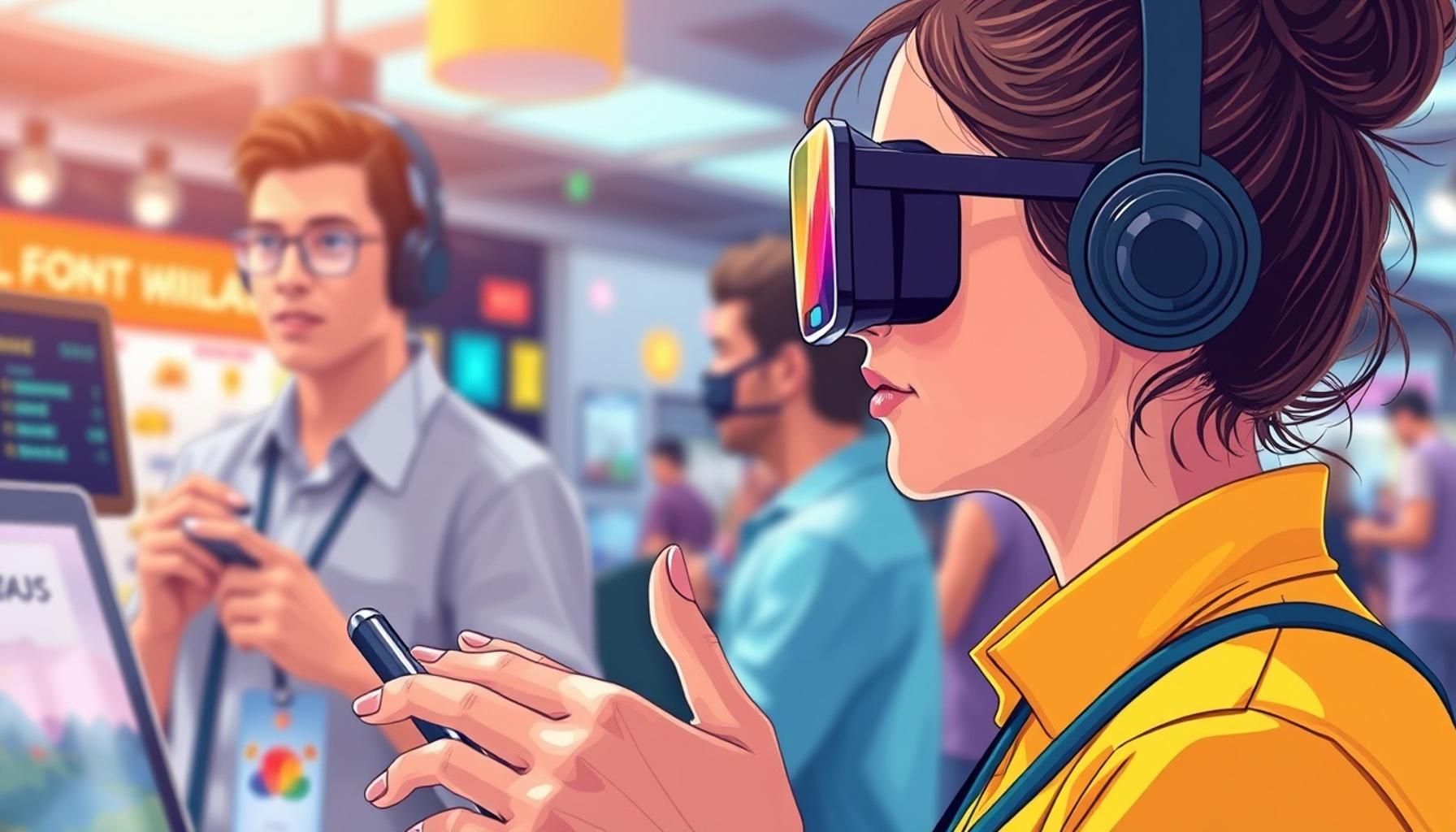
The possibilities of AR do not stop at retail; they extend to enhanced event experiences as well. At exhibitions and trade shows, AR apps can transform standard booths into immersive environments. For example, when attendees point their smartphones at a particular display, they might see interactive videos, 3D models of products, or even gamified experiences that tell the story of the brand. This not only captures interest but also creates memorable experiences that attendees are more likely to share with others, amplifying brand visibility.
Moreover, AR technology allows for personalized marketing. Businesses can analyze customer data to deliver tailored AR experiences based on individual preferences, habits, or past behaviors. For instance, a makeup brand may allow users to see how different shades of lipstick look on their own faces. By offering such personalized interactions, brands can not only enhance satisfaction but also build a deeper emotional connection with their consumers, which is incredibly valuable in a competitive market.
With these applications, AR has firmly established itself as a crucial tool in capturing attention and fostering engagement. As consumers become more tech-savvy and open to innovative purchasing experiences, embracing AR could very well lead to increased brand loyalty and sales. In the following sections, we will delve deeper into how AR technologies shape consumer behavior, enhance satisfaction, and drive business success, further underscoring the necessity of integrating AR into modern marketing strategies.
DISCOVER MORE: Click here to delve into the evolution of NFTs
Transforming Retail Experiences with Augmented Reality
One of the most significant impacts of Augmented Reality (AR) in retail is its ability to create immersive and interactive experiences that captivate consumers. Traditional shopping methods are often seen as mundane, but AR introduces an element of excitement, prompting customers to engage with brands in novel ways. To understand how AR influences consumer experience in retail, let’s explore some of its key applications.
- Virtual Try-Ons: As mentioned earlier, virtual fitting rooms are revolutionizing how customers shop for clothing and accessories. Retailers like Sephora have implemented AR technology that allows users to try on makeup virtually, ensuring they find the perfect shade and style without the need for physical samples. This not only improves convenience but also reduces product returns, which is beneficial for both consumers and businesses.
- Interactive Product Information: AR enables retailers to provide enriched product details that go beyond standard labels. For example, when customers scan a product in-store, they may see videos demonstrating its use or hear customer testimonials via an AR application. This additional layer of information helps customers make informed choices and can enhance their overall purchasing experience.
- In-Store Navigation: Large retail spaces can sometimes be overwhelming, with consumers struggling to find specific items. AR applications can aid in navigation, providing users with real-time directions to products within stores. By streamlining the shopping journey, businesses can improve customer satisfaction and potentially increase sales.
Incorporating AR into retail not only enhances customer engagement but also reflects a brand’s commitment to innovation. A clear understanding of consumer behaviors and preferences can drive effective AR experiences, leading to higher conversion rates. Retailers can leverage data analytics to tailor AR interactions that resonate with target demographics, further maximizing the potential for enhanced sales and brand loyalty.
Additionally, the rise of AR has implications for brand storytelling. Brands can create captivating narratives through AR experiences, allowing customers to connect with products on a deeper level. For instance, a sports brand can use AR to showcase the technology behind their shoes in an engaging way, fostering an emotional connection between the consumer and the brand.
Ultimately, the integration of AR into retail is about more than just technology; it is about creating a holistic consumer experience that unites both the physical and digital realms. As more businesses adopt AR strategies, consumers are likely to expect these innovative interactions as standard practice, prompting retailers to stay ahead of the curve to meet evolving consumer expectations.
DISCOVER MORE: Click here to unlock amazing deals
Enhancing Event Engagement through Augmented Reality
In addition to transforming retail experiences, Augmented Reality (AR) is having a notable impact on consumer experiences at events, ranging from trade shows to festivals. By integrating AR technologies, event organizers can create stunning visual effects and interactivity that not only captivate attendees but also encourage deeper engagement with brands. Here are several ways AR is enhancing event experiences:
- Interactive Exhibits: AR can turn static displays into dynamic experiences. For instance, a car company might use AR to allow attendees at an auto show to see a 3D model of a car appear in front of them through their smartphones. They could customize the vehicle’s features and colors right on their device. This interactive approach allows potential customers to engage with products in a personal way, greatly enhancing their understanding and interest.
- Event Navigation: Large-scale events can be daunting, and AR applications can simplify navigation significantly. By using AR-enabled maps on their smartphones, attendees can get personalized directions to sessions, exhibitor booths, or even restrooms. For example, through AR, a user may point their phone at a section of a convention center, and a digital overlay will provide a visual guide to help them reach their desired destination.
- Enhanced Networking Opportunities: Events are often about making connections, and AR can facilitate this process. Attendees can use AR badges that provide instant contact information and access to social media profiles when scanned. This eliminates the hassle of exchanging physical business cards and encourages attendees to connect in a more engaging manner.
Furthermore, AR can enhance the overall atmosphere and storytelling aspects of events. Brands can utilize AR to create themed experiences that immerse attendees in the narrative surrounding their products or services. For example, a beverage company might create an AR experience where guests can see unique environments related to their brand, like a virtual vineyard during a wine tasting, enhancing the sensory experience of the event.
The integration of AR into events also opens up new revenue streams. Brands can sponsor AR experiences, offering companies a unique way to showcase their products while gaining visibility. For example, a technology company could sponsor an AR app that visitors use to engage with various booths, with their branding prominently displayed throughout the application. This not only enriches the attendee experience but also creates an additional source of funding for the event.
From a marketing perspective, events featuring AR technologies generate buzz on social media, as attendees often share their experiences online. This organic promotion can lead to a wider reach for brands, potentially attracting future customers who were not present at the event. Additionally, using AR can help businesses collect valuable data about attendee engagement and preferences, allowing for better planning and execution of future events.
In summary, the impact of AR on consumer experiences at events is profound. As businesses increasingly adopt AR technologies, they not only enhance attendee engagement but also set new standards for what consumers expect at events. This shift indicates a growing imperative for brands to integrate AR into their event marketing strategies to remain competitive and relevant in today’s market landscape.
DIVE DEEPER: Click here to explore the future of digital health
Conclusion
As we have explored, Augmented Reality (AR) is redefining the consumer experience in both retail and event environments, raising the bar for engagement and interaction. By seamlessly blending the digital and physical worlds, AR not only captivates attention but also transforms how consumers perceive and interact with brands. The ability to create interactive exhibits allows customers to gain a deeper understanding of products, while enhanced navigation features simplify the experience in large event spaces, fostering greater participation and enjoyment.
Moreover, AR serves as a catalyst for building relationships between attendees and brands through innovative networking opportunities, ultimately reimagining the event landscape. The potential for these technologies to enrich storytelling elements adds a layer of depth that resonates with consumers on a personal level. Additionally, the ability to generate engaging content that encourages social sharing can amplify brand visibility and create lasting impressions.
It is clear that as AR technology continues to evolve, it presents both challenges and opportunities for businesses. Companies must stay abreast of these innovations and consider implementing AR strategies to keep pace with changing consumer expectations. By doing so, they not only enhance the event and retail experiences but also cultivate a loyal consumer base eager to participate in this exciting new paradigm.
In conclusion, the incorporation of AR into consumer interactions represents a significant shift in how businesses approach marketing and engagement. Embracing these technologies is no longer just an option; it has become a necessity for brands aiming to succeed in an increasingly competitive marketplace.

Linda Carter
Linda Carter is a writer and expert known for producing clear, engaging, and easy-to-understand content. With solid experience guiding people in achieving their goals, she shares valuable insights and practical guidance. Her mission is to support readers in making informed choices and achieving significant progress.