The Rise of Generative Artificial Intelligence and Its Impact on Digital Creativity
Understanding Generative AI
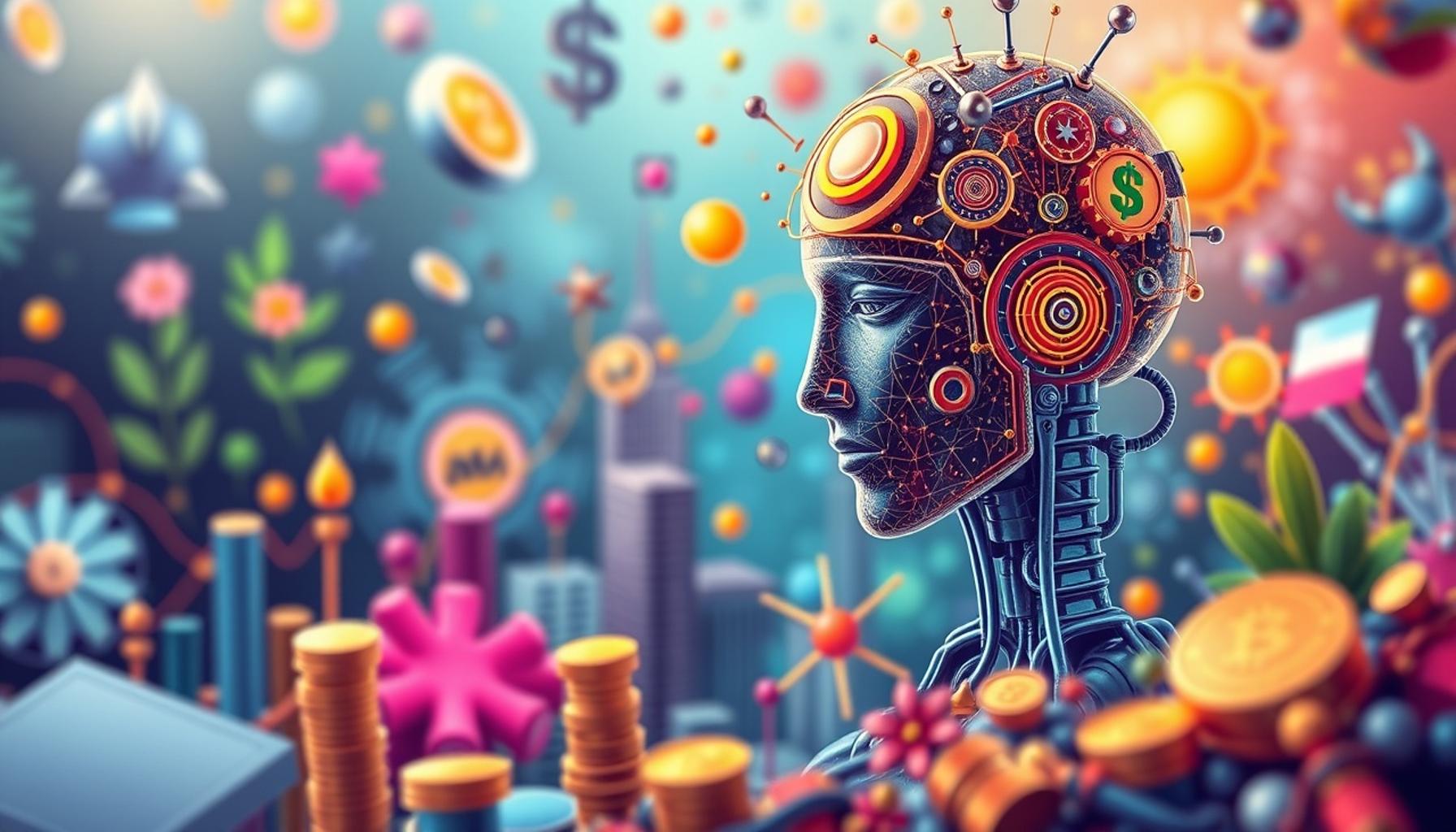
The rise of generative artificial intelligence (AI) marks a significant shift in how digital creativity is approached and understood. Unlike traditional programming, where humans design specific algorithms giving precise outputs, generative AI takes a more autonomous stance, enabling machines to produce unique content based on learned data. This innovative technology is reshaping various fields ranging from visual arts to music and literature.
Art Creation
One of the most fascinating applications of generative AI lies in art creation. AI algorithms can analyze thousands of existing artworks to understand styles, techniques, and color palettes. Programs like DALL-E and Artbreeder allow users to input simple prompts that the AI interprets to generate striking and often surreal artwork. These pieces can range from realistic portraits to abstract collections, pushing the boundaries of traditional artistic expression.
For instance, an artist using generative AI might create a series of paintings inspired by Renaissance styles but infused with modern themes, such as technology and society. This merging of classic influences with modern concepts demonstrates how AI can enhance creativity rather than replace it.
Music Composition
In the realm of music composition, AI has made remarkable strides. Programs like Amper Music and OpenAI’s MuseNet have the capability to compose original music in various genres, such as classical, jazz, and pop. These AI tools analyze musical structures, harmonies, and rhythms to produce pieces that can sometimes be indistinguishable from those created by human composers.
For example, a filmmaker might use AI-generated music as a soundtrack for short films or advertisements, showcasing the practical applications of AI in creative industries. By providing accessible tools, generative AI enables even those without formal music training to explore and create complex musical compositions.
Content Generation
The potential of generative AI extends into content generation as well, impacting writers, marketers, and content creators. Tools like OpenAI’s ChatGPT can produce high-quality text for various applications, from engaging blog posts to catchy advertisement copy. These AI models have been trained on vast datasets and can generate work that fits specific tones and styles.
For instance, a small business could use AI to create a series of blog articles that not only inform customers about their products but also engage them emotionally and drive sales. This highlights how generative AI can empower creators by enhancing their productivity and offering fresh ideas they may not have considered.
Implications for Creativity
As generative AI continues to develop, it raises essential questions about creativity and the role of human artists. Are the creations of AI truly original or simply a reflection of the data fed into them? While some traditionalists argue that human creativity is irreplaceable, others see generative AI as a partner in the creative process that can help expand artistic horizons.
In conclusion, understanding generative AI’s capabilities and limitations is critical as it becomes an integral part of our creative landscapes. By exploring its applications and implications, we can better navigate the evolving relationship between humans and machines in the digital age, ultimately fostering a robust creative environment that embraces innovation.
DISCOVER MORE: Click here to dive into the trends and opportunities of NFTs
The Transformative Power of Generative AI
As we delve deeper into the world of generative artificial intelligence, it becomes evident that its transformative power extends beyond mere technical achievements; it democratizes creativity, allowing anyone with access to technology to participate in artistic endeavors. This shift has given rise to a new era in the creative landscape, where the line between human and machine-produced art is increasingly blurred.
Generative AI systems are designed to learn from vast amounts of data, synthesizing this information to generate new and original works. The applications of this technology are vast, covering a range of creative fields, including visual arts, music, writing, and even game design. Here are some notable aspects of how generative AI is steering the ship of digital creativity:
- Accessibility: The tools powered by generative AI are often user-friendly, enabling individuals without formal training or expertise to produce high-quality art or music. For example, platforms like Runway ML make it easy for users to edit videos and create animations, democratizing skills once limited to seasoned professionals.
- Cost-Effectiveness: Generative AI can significantly reduce the cost of creative projects. Independent filmmakers, for instance, can use AI-generated compositions as soundtracks without hiring expensive musicians, allowing for greater creative freedom on a budget.
- Enhanced Collaboration: Artists can collaborate with AI as a creative partner, generating ideas that may not have emerged through traditional creative processes. This partnership allows for the exploration of new concepts and techniques that push artistic boundaries.
These advantages highlight a pivotal shift in how creativity is perceived. Historically, creativity has been considered a uniquely human trait, tied to emotions and personal experiences. However, as AI-generated works gain admiration and appreciation, the question arises: Can machines be truly creative, or are they merely reflecting the inputs they receive?
Critics argue that AI lacks the intrinsic human experiences that inform genuine artistic expression, asserting that without emotions and consciousness, AI-generated works cannot capture the depth and nuance that human artists bring to their creations. On the other hand, proponents contend that generative AI serves as a powerful tool that expands the creative toolkit, encouraging artists to innovate and explore new avenues of expression. In essence, generative AI can be viewed as an amplifier of human creativity rather than a replacement.
As the dialogue around generative AI evolves, it becomes increasingly important to acknowledge its implications on society and culture at large. The technology’s potential to redefine how we create and consume art raises essential questions about authorship, authenticity, and the future of artistic professions.
Ultimately, the advent of generative AI introduces a complex new dimension to the world of digital creativity, challenging traditional notions while offering exciting possibilities. To fully leverage this technology, creators must navigate its intricacies, embracing the innovations it brings while remaining grounded in the essence of human artistry.
DIVE DEEPER: Click here to learn more about the impact of technology on sustainability</p
The Ethical Considerations and Challenges of Generative AI
As generative artificial intelligence continues to reshape the landscape of digital creativity, it also brings forward a host of ethical considerations and challenges that demand careful exploration. With the ability to generate art, music, and literature, questions loom over the rights of the creators and the implications of machine-generated work in contemporary culture.
One major concern lies in copyright and ownership. When an AI generates a piece of artwork based on training data that includes existing works, who owns the final product? Is it the developer of the AI, the user who prompts the AI, or the original creators of the works used in training? This gray area is causing a re-evaluation of intellectual property laws, with creators seeking clarification on how to protect their work in an age where machines can imitate and replicate styles and techniques.
Authenticity is another challenging area. In an age where art can be created without human touch, the concept of authenticity is questioned. When an art piece is revealed to be AI-generated, audiences may find themselves torn between appreciation for the output and an intrinsic belief that true artistry stems from human experience. For instance, the recent AI-generated portrait “Edmond de Belamy” sold at auction for $432,500, showcasing the demand for AI art while simultaneously sparking debates about its value and context in artistic circles.
Furthermore, the rise of generative AI raises concerns about job displacement in the creative industries. As technology becomes more adept at producing creative works, there are fears that traditional artists, musicians, writers, and designers may find fewer opportunities for work. The threat to job security prompts a salient discussion about the importance of human creativity and the irreplaceable role that emotional depth, intuition, and life experiences play in artistic expression. Record labels, film studios, and publishers are beginning to integrate AI tools into their processes, which could lead to job redundancies—but it also invites a new conversation about the evolution of creative professions.
Despite these challenges, generative AI opens avenues for innovation and experimentation. Artists can use AI to explore styles, generate new ideas, and break out of creative ruts. For example, the use of AI tools like DALL-E allows visual artists to input simple text prompts and generate vivid images, expanding creative possibilities in ways previously unimaginable. This collaboration between human and machine can lead to unique, hybrid forms of art that challenge traditional boundaries and expand the definitions of creativity.
Educational institutions are also beginning to integrate generative AI into their curricula, prompting future artists and creators to engage with technology not as a competitor but as a tool to enhance their artistic capabilities. By embracing AI, students learn to navigate the evolving landscape of creativity, preparing them for a future where collaboration with technology may become essential.
As the conversation about generative AI unfolds, creatives, educators, and policymakers need to collaboratively explore the potential benefits and ethical dilemmas posed by this technology. By engaging in open dialogues, the creative community can ensure that generative AI enhances rather than undermines the richness of artistic expression, paving the way for a future where innovation and creativity thrive together.
DISCOVER MORE: Click here to dive deeper
Conclusion
The rise of generative artificial intelligence marks a significant turning point in the realm of digital creativity. As we have explored throughout this article, while this technology brings forth the promise of innovation and expanded creative possibilities, it also raises pressing ethical questions and challenges that must be addressed. The complexities surrounding copyright, ownership, and authenticity challenge our traditional notions of artistry and intellectual property, pushing both creators and lawmakers to adapt to this new landscape.
Moreover, the potential for job displacement within creative sectors is a concern that cannot be overlooked. As generative AI tools become commonplace in production processes, it is crucial for artists to cultivate their unique human elements, such as emotional depth and personal experience, which machines cannot replicate. Nevertheless, rather than viewing AI merely as a competitor, the synergy between human creativity and technology can lead to groundbreaking collaborations that redefine how art is conceived and delivered.
In conclusion, the future of digital creativity lies in our ability to embrace this technology thoughtfully. By fostering open dialogue among the creative community, educators, and policymakers, we can unlock the full potential of generative AI while ensuring that it serves as a complement to human artistry. Ultimately, a harmonious coexistence of technology and creativity can create a rich tapestry of diverse and innovative expressions, enriching our cultural landscape for generations to come.

Linda Carter
Linda Carter is a writer and expert known for producing clear, engaging, and easy-to-understand content. With solid experience guiding people in achieving their goals, she shares valuable insights and practical guidance. Her mission is to support readers in making informed choices and achieving significant progress.