The Role of the Internet of Things (IoT) in the Transformation of Smart Cities
The Transformative Role of IoT in Urban Environments
The integration of the Internet of Things (IoT) into urban living is a significant trend that is enhancing the functionality and livability of cities across the United States. By connecting everyday devices to the internet, these technologies enable the collection and exchange of data that empowers city management and improves the quality of life for residents. From smart traffic systems to environmental monitoring, IoT is creating smarter cities that respond to the needs of their inhabitants.
Innovative Solutions for Urban Challenges
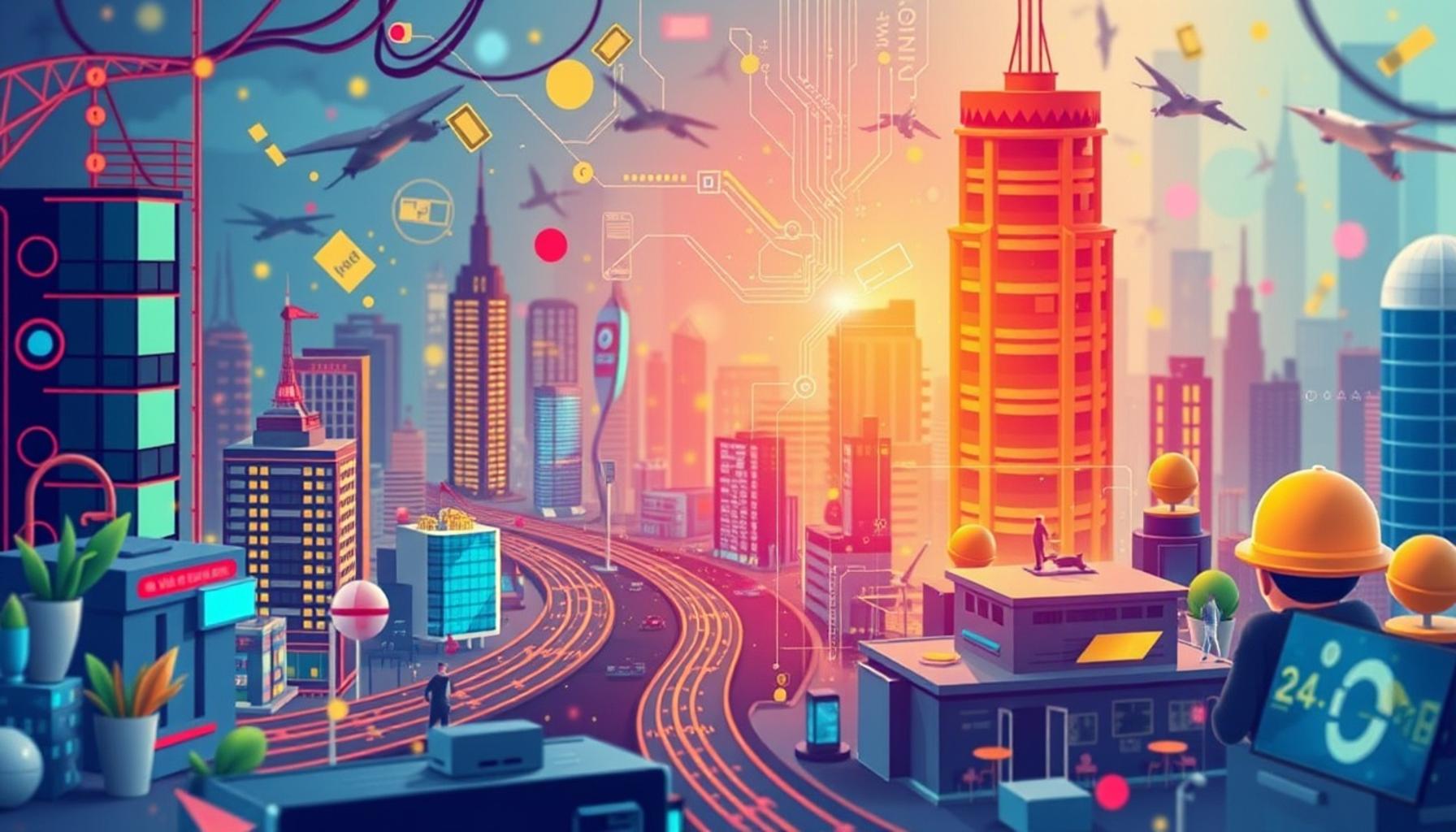
Imagine a bustling city landscape where technology is seamlessly woven into the fabric of daily life. Here are a few examples illustrating how IoT is being used effectively:
- Traffic Lights: In cities like San Francisco, smart traffic lights utilize real-time data to adjust their timings based on current traffic conditions. This means that during rush hours, these lights can change more frequently to accommodate heavier traffic loads, thereby minimizing gridlock and reducing travel time for commuters.
- Air Quality Sensors: In New York City, sensors are deployed to monitor air pollution levels. This data allows city officials to issue health advisories when air quality is poor, helping citizens make informed decisions about outdoor activities and protecting sensitive populations, such as children and the elderly.
- Smart Waste Management: The city of Seattle has implemented smart waste bins equipped with sensors that alert waste management services when they are full. This innovation optimizes collection routes and schedules, reducing unnecessary trips and decreasing operational costs while also ensuring that public spaces remain clean.
Broader Impacts on Society
The adoption of IoT technologies extends beyond just convenience; it has far-reaching implications for public safety, energy efficiency, and transportation systems:
- Public Safety: Many cities are implementing enhanced surveillance systems that utilize IoT technology to improve emergency response times. For example, connected cameras can provide real-time feedback to law enforcement about incidents occurring in the vicinity.
- Energy Efficiency: Smart grids represent a revolutionary advancement in how cities manage energy. By analyzing data from various sources, cities can minimize energy waste, deploy renewable resources more effectively, and even lower utility costs for residents.
- Transportation: Public transit systems in cities like Chicago are utilizing real-time tracking for buses and trains. Passengers can receive updates on arrival times and delays via mobile apps, enhancing user experience and encouraging more people to use public transport.
Empowering Urban Development
As city planners and local governments harness the power of real-time data through IoT, they are positioned to make informed decisions that promote sustainability, drive economic growth, and enhance overall urban development. By investing in these technologies, cities not only improve current living conditions but also ensure a more resilient and sustainable future for generations to come.
In conclusion, the potential of the Internet of Things in transforming urban environments is immense. With its ability to connect and optimize city operations, it allows for the development of smarter, more efficient cities that prioritize the well-being of their residents.
DISCOVER MORE: Click here to dive deeper
Enhancing Urban Services through IoT Connectivity
The Internet of Things (IoT) represents a groundbreaking shift in how cities operate, allowing a myriad of devices to communicate with each other and share invaluable data. As urban areas continue to grow, these connected devices play a vital role in enhancing city services and ensuring that they meet the evolving needs of their inhabitants. This transformation can be observed in several critical public services that benefit from IoT integration.
Smart Transportation Systems
One of the most profound impacts of IoT can be seen in the realm of transportation. By leveraging real-time data from sensors and connected vehicles, cities can create more efficient transit solutions. Smart traffic management systems, for example, proactively manage traffic flow through various means:
- Adaptive Signals: Traffic signals equipped with IoT technology can adjust their timing based on actual traffic patterns rather than pre-set schedules, helping to clear congested areas more effectively.
- Real-Time Updates: Commuters can receive live updates about traffic conditions via mobile applications, allowing them to select alternate routes and avoid delays, thus improving overall travel efficiency.
- Smart Parking Solutions: Cities like Los Angeles are increasingly deploying smart parking sensors that indicate available spots in real-time, which decreases the time spent searching for parking and reduces stress for drivers.
Utility Management and Conservation
The optimization of utilities is another significant area where IoT technologies shine. Smart meters that track energy usage provide residents and businesses with detailed data regarding their consumption patterns. Some of the vital features include:
- Leak Detection: Water utilities are using connected sensors to detect leaks in real time, preventing waste and reducing the costs associated with extensive repairs.
- Demand Response Programs: Smart grids facilitate demand response strategies, allowing utilities to efficiently manage consumption during peak hours, thus preventing overloads and promoting sustainability.
- Energy Management: Cities are implementing IoT solutions that analyze energy use across various sectors, enabling targeted campaigns to reduce overall consumption and lower utility costs for residents.
Improving Public Health and Safety
Another essential contribution of IoT in smart cities involves health and safety initiatives. Smart surveillance systems and predictive analytics can help identify and address potential risks before they escalate. Noteworthy examples include:
- Crime Detection: IoT-enabled cameras can analyze movement patterns and alert law enforcement of suspicious activities, improving public safety.
- Health Monitoring: Environmental sensors can track factors such as temperature and pollution levels, offering early warnings concerning public health threats.
- Emergency Response: Connected devices can facilitate quicker response times during emergencies by streamlining communication between emergency services and providing real-time situational awareness.
The integration of IoT into urban infrastructure not only addresses immediate challenges but also lays the groundwork for a sustainable city future. It enhances connectivity, promotes efficient resource management, and ultimately contributes to improved quality of life for urban residents.
DISCOVER MORE: Click here to learn about the evolution of 5G networks
Transforming Waste Management and Environmental Sustainability
The implications of IoT extend beyond just smart transportation and utility management; they also significantly impact waste management and environmental sustainability. With the proliferation of IoT devices, cities can become more efficient in handling waste collection and green initiatives, leading to cleaner urban environments.
Smart Waste Management Systems
Traditional waste management systems often struggle with inefficiencies, leading to missed pickups and overflowing bins. IoT technologies can revolutionize how cities manage waste through the use of smart bins equipped with sensors that detect fill levels.
- Intelligent Collection Routes: By gathering data on waste levels, waste management services can optimize collection routes, reducing fuel consumption and labor costs while ensuring timely pickups.
- Real-Time Monitoring: Municipalities like San Francisco are implementing smart bins that notify waste collectors when they need to be emptied, thus minimizing the chances of bins overflowing and creating unsightly public spaces.
- Recycling Incentives: Some cities are exploring IoT-enabled systems that reward residents for proper recycling practices, thereby enhancing community engagement and awareness regarding waste disposal.
Environmental Monitoring and Management
Inevitably, the health of urban environments is linked to various factors, including air quality, water quality, and noise levels. IoT applications play a vital role in assessing and managing these environmental aspects:
- Air Quality Sensors: Cities across the United States, such as Los Angeles, have deployed air quality monitoring stations that track pollutants in real time. This data can be used to inform citizens about safe outdoor activities and can prompt policy changes aimed at improving air quality.
- Water Quality Management: IoT sensors are being utilized to monitor water sources and ensure their safety. For instance, connected devices can detect contamination, which is crucial for maintaining public health and protecting natural ecosystems.
- Noise Pollution Monitoring: By using IoT-enabled sound level meters placed throughout urban areas, municipalities can analyze patterns of noise pollution and implement strategies to mitigate excessive noise, thus enhancing residents’ quality of life.
Public Engagement and Citizen Involvement
Beyond operational efficiency, IoT fosters greater transparency and community involvement in governance. Smart city initiatives can lead to improved communication between city officials and residents, enabling a collaborative approach to urban challenges.
- Community Platforms: Many cities are developing apps and online platforms that let residents report issues like potholes or streetlight malfunctions directly to their local governments, creating a more linear feedback loop between citizens and service providers.
- City Dashboards: By creating public dashboards equipped with real-time data on city services, citizens can monitor how their municipality is performing in various aspects, fostering accountability.
- Participatory Planning: IoT can enhance participatory urban planning by allowing citizens to engage in discussions about city developments via digital platforms, leading to more inclusive decision-making.
The ongoing adoption of IoT technologies not only streamlines urban services but also encourages sustainable practices and citizen involvement, ultimately bolstering the quality of life in smart cities. By utilizing data-driven strategies to address environmental challenges and engage the community, cities can adapt more effectively to the demands of today’s urban populations.
DISCOVER MORE: Click here to delve into the NFT revolution
Conclusion: The Future of Urban Living with IoT
As we have explored, the Internet of Things (IoT) plays a pivotal role in the transformation and enhancement of smart cities, affecting various facets of urban living, from waste management and environmental monitoring to public engagement and civic responsibility. The integration of IoT technologies equips city officials with the tools necessary to create more efficient, responsive, and sustainable urban environments. By capitalizing on real-time data from a network of interconnected devices, cities can optimize their services and allocate resources more effectively, ultimately improving the quality of life for residents.
Moreover, the active involvement of citizens, spurred by IoT-enabled platforms, fosters a sense of community ownership and accountability. When residents can communicate their concerns, access information, and participate in decision-making processes, they contribute to a more collaborative and inclusive urban governance model. In cities where IoT solutions are in action, we are already witnessing positive changes—less pollution, improved public services, and enhanced civic participation.
Looking ahead, the ongoing evolution of IoT promises even greater advancements. As technology progresses, cities must be vigilant in addressing the challenges related to privacy, data security, and equitable access to IoT benefits. By embracing these challenges and prioritizing community-centered approaches, smart cities will not only thrive but also serve as models for urban development worldwide.
Ultimately, the role of IoT in the transformation of smart cities is not just about technological innovation. It is about reimagining urban living in a way that is sustainable, inclusive, and responsive to the needs of all citizens. The journey toward smarter cities is just beginning, and its success relies on our collective commitment to building a future that fosters innovation while prioritizing the well-being of urban populations.

Linda Carter
Linda Carter is a writer and expert known for producing clear, engaging, and easy-to-understand content. With solid experience guiding people in achieving their goals, she shares valuable insights and practical guidance. Her mission is to support readers in making informed choices and achieving significant progress.