The Role of Social Media in the Promotion of Cultural and Artistic Events
The Transformative Power of Social Media in Event Promotion
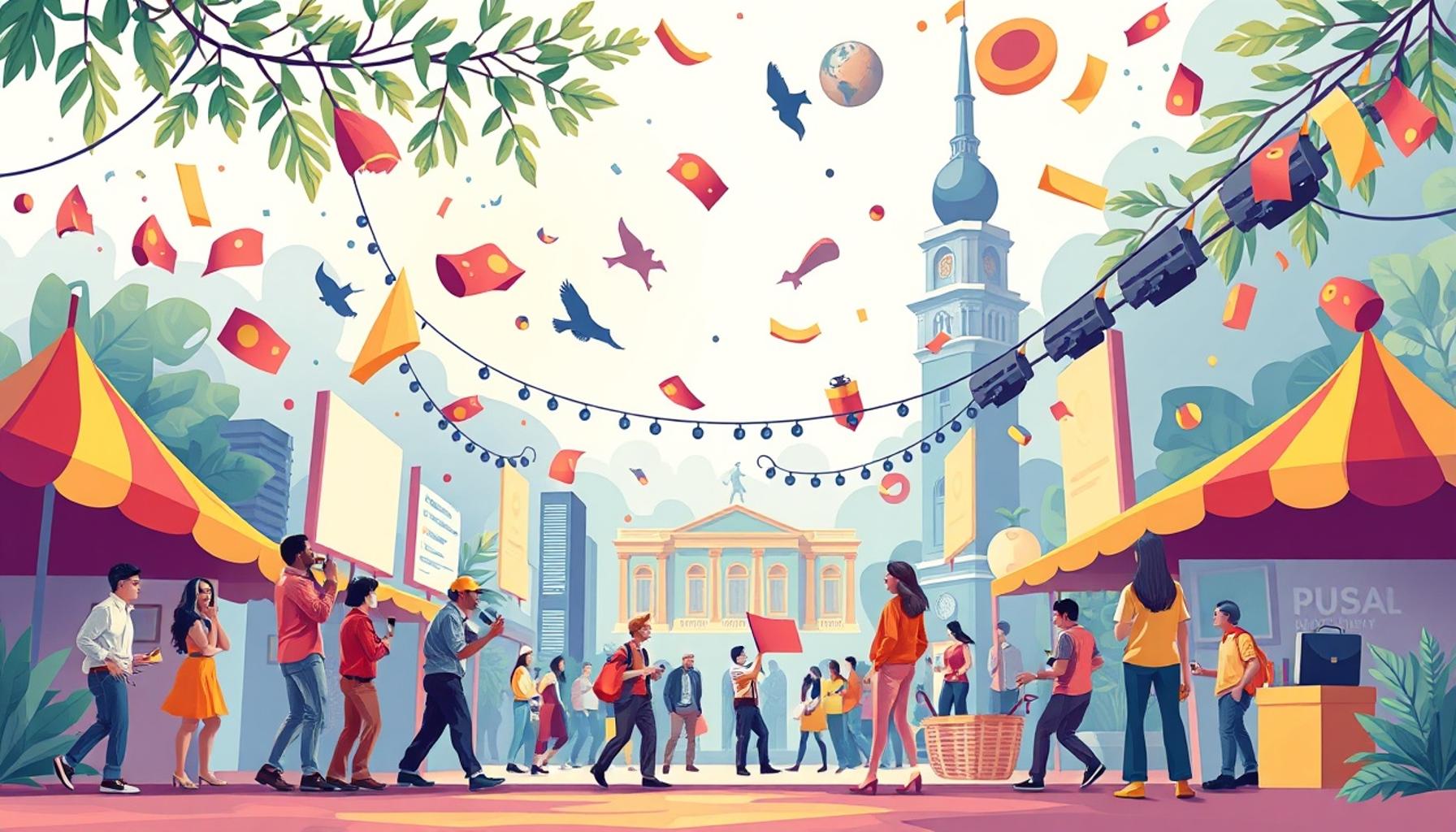
In today’s digital age, the way we connect and share information has undergone a significant transformation. Social media, in particular, plays a crucial role in the promotion and engagement of cultural and artistic events. With its vast reach and interactive features, social media not only facilitates event promotion but also changes how audiences experience these events. It’s essential to recognize the benefits and strategies that come with harnessing these platforms.
Benefits of Social Media for Event Promotion
One of the primary advantages of social media is its ability to broaden reach. Platforms such as Facebook, Instagram, and Twitter can connect organizations to a global audience, breaking down geographical barriers. For instance, a local art fair in San Francisco can attract attendees from as far as New York or even international visitors who learn about the event through social media channels.
Another significant benefit is real-time engagement. Event organizers can interact with potential attendees instantly, answering queries that arise, sharing sneak peeks, or even hosting live Q&A sessions that build excitement. For example, during the planning of a music festival, organizers might host a live stream where followers can ask about the lineup, ticket availability, or local accommodation options, generating buzz ahead of the event.
Social media also enhances visual storytelling. Platforms like Instagram allow organizers and artists to share vibrant imagery and videos that vividly capture the essence of the event. A gallery opening can be showcased through stunning images of the artwork, artist interviews, and behind-the-scenes videos, creating compelling content that draws in art enthusiasts.
Advanced Strategies in Social Media Promotion
In addition to these benefits, social media offers advanced promotional opportunities through targeted advertising. This feature enables ads to be customized based on factors such as age, interests, and location. For instance, a tech conference could advertise mainly to professionals in the technology sector, ensuring that the most relevant audience sees the information.
User-generated content also plays a significant role in event promotion. When attendees share their experiences—whether through photos, videos, or reviews—they create organic buzz that encourages others to participate. This not only increases engagement but also builds a sense of community around the event, as seen with many music festivals that thrive on social media buzz created by attendees.
Finally, events can leverage event hashtags. Unique hashtags allow organizers and attendees to track conversations surrounding the event, facilitating a sense of cohesion among participants. For example, during a film festival, using a specific hashtag can help audiences share their thoughts and experiences, making the event more interactive and memorable.
Understanding the power of social media in this context is vital for event organizers. By leveraging these platforms effectively, they can not only amplify their promotional strategies but also foster a deeper connection with their audience, enriching the overall experience of cultural and artistic events.
DISCOVER MORE: Click here to uncover the secrets
Harnessing the Power of Social Media for Effective Event Promotion
The integration of social media into event promotion strategies has revolutionized the way cultural and artistic events are marketed and experienced by audiences. By leveraging various platforms, organizers can engage with potential attendees in dynamic and multifaceted ways. Understanding these strategies can be the key to successful promotion, ultimately leading to enhanced attendance and community involvement.
Strategic Engagement Through Content
One of the most effective ways to utilize social media for event promotion is through the creation of compelling content. This involves producing visually appealing images, engaging videos, and informative posts that convey the event’s essence. Event organizers should focus on the following types of content:
- Behind-the-Scenes Content: Sharing glimpses of the preparations, like setting up a stage or curating an art installation, can humanize the event and build anticipation.
- Event Countdown: Regular updates counting down the days to the event can keep the audience excited and engaged, reminding them of the upcoming experience.
- Interactive Posts: Polls or questions about artist preferences or event schedules can stimulate conversation and direct engagement with followers.
By employing these tactics, event promoters can cultivate a sense of ownership among their audience, making them feel more personally invested in the event’s success. For example, a local theater company might showcase teaser clips of performances alongside interviews with actors, creating a buzz that encourages ticket sales.
Building Communities Around Events
Social media also serves as a powerful tool for building communities before, during, and after events. Establishing a dedicated event page or group can facilitate interaction among potential attendees, creating a space where they can share their expectations, ask questions, and connect with one another. This community feeling can be crucial, particularly for events like art fairs or music festivals, where shared interests can enhance participant experience.
Event organizers can further encourage community engagement by:
- Highlighting Attendee Contributions: Sharing posts or content created by attendees fosters a sense of involvement.
- Creating Exclusive Groups: Offering access to special content or discounts for group members can incentivize participation and build loyalty.
- Monitoring Conversations: Engaging with comments and discussions can make attendees feel valued and heard, reinforcing a positive association with the event.
When an event cultivates this sense of community, it not only drives attendance but also encourages participants to act as ambassadors, spreading the word through their own social networks. For example, a local museum hosting an exhibit can benefit from attendees sharing their thoughts and experiences, which can naturally attract more visitors and create a cascading effect of interest.
In conclusion, utilizing social media for the promotion of cultural and artistic events requires a blend of innovative content strategies and community-building tactics. By understanding and implementing these elements, event organizers can maximize their reach and engagement, ensuring a richer and more vibrant experience for audiences both new and familiar.
DISCOVER MORE: Click here to learn about the evolution of 5G networks
Leveraging Influencer Marketing and Partnerships
Another potent strategy for promoting cultural and artistic events via social media involves collaborating with influencers and establishing partnerships. This approach utilizes the built-in audiences and credibility that influencers possess, helping to further amplify the reach of promotional efforts. Influencer marketing can drive interest rapidly, particularly among demographics that may be less likely to engage with traditional advertising methods.
Identifying the Right Influencers
Choosing the best influencers to represent an event is crucial. Organizers should consider individuals who already have a connection to the event’s theme or target audience, such as local artists, musicians, or cultural advocates. For instance, if a gallery is hosting an art exhibit, collaborating with a well-known local artist on platforms like Instagram or TikTok can attract their followers, expanding the event’s visibility.
When influencers share personalized content about the event—whether through live-streaming their experience, sharing photos, or posting reviews—followers are likely to see these endorsements as authentic recommendations. Studies have shown that posts by influencers can lead to significantly higher engagement rates. This strategy not only enhances visibility but also fosters credibility through the genuine excitement of influencers.
Creating Effective Partnerships
In addition to influencer collaborations, establishing partnerships with relevant organizations or businesses can amplify social media efforts. For example, a music festival could collaborate with local food trucks to create unique experiences, allowing both parties to cross-promote on social media. By tagging each other in posts and sharing content that highlights their collaboration, both the festival and the food vendors can drive traffic to their social media profiles and, ultimately, to the event itself.
Events can also benefit from partnerships with local cultural organizations or tourism boards, which often have established networks and resources for further promotion. This approach capitalizes on existing audiences, giving events a broader reach through shared social media channels. Providing incentives such as discounts or early access for followers of these partner organizations can encourage more people to attend.
Utilizing Event-Specific Hashtags
The power of event-specific hashtags cannot be underestimated in the age of social media. By creating a unique hashtag that embodies the event’s theme, organizers can help attendees easily find and engage with posts related to the event. Encouraging participants to use the hashtag when posting photos or experiences fosters community and creates an online archive of memories associated with the event.
For instance, a film festival might introduce a catchy hashtag like #FilmFest2023, which attendees can use when posting. This collective sharing allows potential attendees to see real-time updates, sneak peeks, and genuine reactions from their peers, promoting word-of-mouth excitement about the event.
Moreover, gathering user-generated content through the hashtag can further bolster promotional efforts. Organizers can then showcase this content on their social media pages, leading to increased visibility while strengthening the sense of community among attendees. Engaging users in this way not only enhances the promotional material but also reflects an inclusive approach to marketing, where everyone has a part in telling the event’s story.
In summary, the role of social media in promoting cultural and artistic events becomes even more impactful by integrating influencer marketing, partnerships, and strategic hashtag usage. These approaches can broaden reach, engage diverse audiences, and create a vibrant community around the event. With these strategies in mind, organizers can maximize their promotional efforts and elevate the presence of their events in today’s digital landscape.
DISCOVER MORE: Click here for insider tips
Conclusion
In today’s interconnected world, social media has emerged as a vital tool for promoting cultural and artistic events, enabling organizers to reach wider audiences than ever before. By leveraging various strategies, such as engaging with influencers, forging partnerships with complementary businesses, and utilizing event-specific hashtags, event organizers can significantly enhance their outreach and foster community engagement.
The significance of personalized content and authentic endorsements cannot be overstated. When influencers share their experiences, potential attendees are more likely to view these promotions as credible recommendations. Collaborating with local artists and cultural advocates helps create a sense of belonging and connection, encouraging their followers to participate in the events. Moreover, partnerships with local businesses provide dual promotional benefits, enriching the attendee experience while broadening the event’s visibility.
Incorporating user-generated content through strategic hashtags not only enhances the event’s online presence but also nurtures a sense of community among participants. This collective engagement empowers attendees to contribute to the event’s narrative, making them feel part of something larger than themselves. Overall, social media represents an invaluable platform, allowing for the exchange of ideas, engagement with diverse audiences, and the celebration of culture and artistry. As event organizers embrace the evolving digital landscape, they position themselves to create memorable experiences that resonate well beyond the event itself.

Linda Carter
Linda Carter is a writer and expert known for producing clear, engaging, and easy-to-understand content. With solid experience guiding people in achieving their goals, she shares valuable insights and practical guidance. Her mission is to support readers in making informed choices and achieving significant progress.