How Social Media is Transforming the Live Event Experience
The Evolution of Live Events Through Social Media
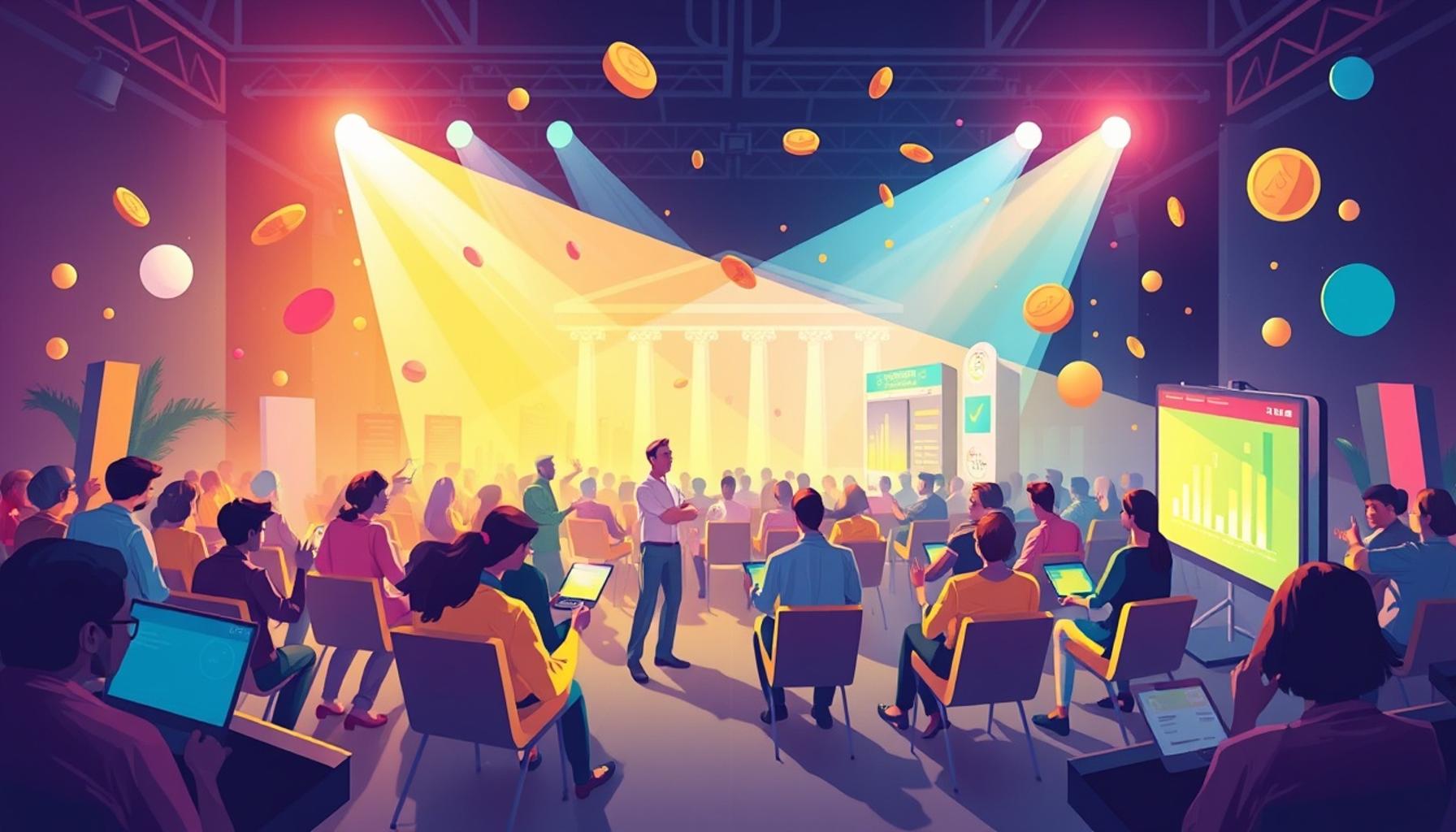
Social media platforms have fundamentally changed the landscape of live events, creating a more interactive and engaging experience for attendees. This transformation has brought a plethora of opportunities for both event organizers and participants. Rather than merely spectating from a fixed seat, fans can now immerse themselves in the event like never before. The social media revolution enables instant sharing, connection, and feedback, reshaping the way we experience concerts, sports games, festivals, and other gatherings.
Live Streaming: Sharing the Moment in Real-Time
Live streaming has become a significant feature during events, fueled by platforms such as Facebook Live, Instagram Stories, and TikTok. Attendees can broadcast their experiences to friends and followers, allowing those who couldn’t attend to feel part of the excitement. For instance, a concertgoer can share clips of their favorite performances, capturing the atmosphere and energy of the crowd, showcasing the experience as it unfolds. This immediacy not only captivates those watching online but also sparks greater interest and engagement for future events.
Engagement through Hashtags
Another powerful tool is the use of hashtags. These digital keywords allow attendees to connect with one another, facilitating conversations and community building around shared interests. For example, at the Super Bowl, fans often use specific hashtags to share their thoughts on pivotal moments or memes related to the game. This practice not only includes individuals physically present but also fosters an expansive dialogue online, with thousands of fans around the country contributing their perspectives and insights. Such interaction generates a sense of belonging, amplifying the emotional resonance of the event.
Immediate Feedback: Enhancing Future Events
Feedback gathered through social media is invaluable for event organizers. Platforms like Twitter serve as real-time venues for attendees to express their satisfaction or concerns, allowing organizers to monitor and respond promptly. For instance, if concert-goers report sound issues during a performance using a specific hashtag, organizers can address the problem immediately or prepare for an improved sound experience in the next show. This ability to adapt quickly means that events are increasingly tailored to audience preferences, resulting in enhanced overall experiences.
Broader Impact on Event Planning
As social media continues to evolve, it influences how events are marketed and planned. Organizers are not just focused on the audience present at the venue; they are also targeting an online community that can engage from afar. This dual targeting strategy can drive ticket sales, create buzz around an event, and even result in partnerships with influencers who can further amplify reach. Whether it’s a small-town fair or a massive music festival, understanding the social media landscape allows organizers to maximize impact and foster community engagement before, during, and after the event.
In summary, social media has become an integral part of the live event experience, connecting individuals, facilitating timely feedback, and revolutionizing engagement strategies. The ripple effects of these changes will likely continue to shape the future of gatherings, making them not only places of entertainment but also hubs of community interaction and shared experiences.
DIVE DEEPER: Click here to discover how global connectivity is reshaping education
Creating a Sense of Community
Social media has transformed the way we connect with one another during live events, ensuring that attendees not only share the experience but also foster a sense of community. Platforms like Facebook, Twitter, and Instagram allow fans to communicate in real-time, cultivating a collective atmosphere that enhances enjoyment and engagement. The ability to engage with fellow attendees or even participants sitting thousands of miles away encourages fans to feel part of something larger than themselves. This connection is especially evident in how individuals document and narrate their experiences.
Event-specific Social Media Challenges
Many events have started to incorporate social media challenges into their programming, encouraging attendees to participate and share their experiences online. For instance, at festivals, organizers might create a specific dance or photo challenge, prompting attendees to share their clips with a designated hashtag. This strategy not only generates buzz but also boosts visibility for the event as videos and images circulate on social media feeds. Here are some popular examples of such challenges:
- Photo Scavenger Hunts: Participants share images of specific items or locations within the event grounds, creating engagement and excitement.
- Live Polling: Attendees use social media to vote on things like the next song played at a concert, actively involving them in the event.
- Fan Art Contests: Events encourage participants to create and share their artwork which relates to the theme, promoting creativity and individual expression.
These challenges not only enhance the experience for attendees but also serve to broaden the event’s reach as more and more people discover the content being shared online.
Influencer Engagement
Another significant way social media is transforming live events is through the engagement of influencers. Brands and event organizers increasingly collaborate with social media influencers to amplify their reach. Influencers often have dedicated followings who trust their opinions, and when they attend an event, their endorsement can dramatically increase visibility. For example, a popular lifestyle influencer’s Instagram Stories from a food festival can lead to a spike in ticket sales for future events.
Through curated content, influencers articulate the vibrancy and uniqueness of events, providing an authentic view that resonates with their audience. Their posts encourage those who missed the event to consider attending next time or to follow the event’s social media accounts for updates, further building a community surrounding the event.
In conclusion, social media plays a pivotal role in cultivating a shared experience at live events, helping to create a vibrant community and maximizing engagement. By leveraging social media challenges and influencer partnerships, event organizers can drive excitement and ensure memorable experiences that resonate long after the event concludes.
DISCOVER MORE: Click here for the ultimate guide
Enhancing Audience Interaction
In addition to fostering community, social media is revolutionizing audience interaction at live events, allowing for an immersive and participatory experience. The ability to comment, share, and react in real-time means that attendees are not just passive spectators but active contributors to the event narrative. This shift greatly influences how events are planned, executed, and experienced by every individual involved.
Live Streaming Technology
One of the most notable advancements in event engagement is the rise of live streaming. With platforms like Facebook Live, Instagram Live, and YouTube Live, event organizers can broadcast happenings in real-time, allowing those who are not physically present to join in the experience. This form of engagement is particularly crucial for inclusive events, where accessibility might be limited. For instance, when a major concert festival streams performances on social media, fans unable to attend still feel connected and can participate through comments and reactions.
Furthermore, live-streaming serves as an invaluable marketing tool, showcasing highlights and creating buzz for potential attendees in future events. For example, brands might choose to stream behind-the-scenes preparations for an event, giving their audience a more intimate and personal look that encourages them to engage with both the brand and the event itself.
Real-time Feedback and Adaptation
Social media empowers event organizers to gather real-time feedback from attendees, enhancing the overall experience. By monitoring platforms for opinions and suggestions during an event, organizers can make immediate adjustments based on audience reactions. For example, if attendees express dissatisfaction with long wait times for food at a festival, organizers might respond by allocating more staff to those areas or updating social media feeds to communicate new food options available nearby.
Moreover, interactive elements such as live Q&A sessions or audience polling during presentations foster a dynamic dialogue between presenters and participants. Educators or industry leaders at conferences can readily address audience questions flowing in through Twitter or similar platforms, ensuring that discussions are relevant and engaging. This involvement not only enriches the experience but also makes attendees feel heard and valued.
The Rise of Event Hashtags
Another remarkable aspect of social media’s impact on live events is the usage of event-specific hashtags. This practice promotes a streamlined way for attendees to share their experiences, allowing others to easily find and follow conversations about the event. A well-crafted hashtag can become an event’s identity on social media, driving engagement even before the event begins. For example, the South by Southwest (SXSW) festival utilizes specific hashtags to promote various panels, performances, and events, which encourages attendees to post their insights and moments throughout the festival. This communal sharing results in a rich archive of the experience, providing organizers and attendees alike with valuable insights for future events.
In summary, the integration of social media into live events has advanced audience interaction significantly, giving participants a voice and a platform to engage meaningfully with the event. Through live streaming, real-time feedback, and effective use of hashtags, attendees now enjoy a multi-dimensional experience that blurs the lines between physical and digital engagement, making every moment more memorable and impactful.
DISCOVER MORE: Click here to unlock your free fashion today
Conclusion
In today’s digital landscape, it is evident that social media has become a game-changer for live events. The integration of these platforms not only enhances the way events are marketed but also significantly transforms the attendee experience. From real-time engagement through live streaming to the immediate feedback loops created by audience interactions, social media empowers both organizers and participants to create a more enriching environment.
The rise of event-specific hashtags has revolutionized how attendees share their experiences, cultivating a vibrant online community that extends beyond the event itself. This sharing creates a sense of belonging and enhances the visibility of events, showcasing them to a broader audience. Furthermore, the capacity for quick adaptations based on live feedback ensures that event planners can swiftly address concerns, ultimately leading to a more satisfactory experience for all.
As we move forward, it is essential for organizers to embrace these tools thoughtfully, considering both the positive impacts and potential challenges that rapid digital engagement can present. With a focus on fostering inclusivity and building community, social media will undoubtedly continue to shape the future of live events, creating not just gatherings, but lasting connections among attendees and their shared experiences. In this evolving landscape, the blend of physical presence with digital participation is not merely a trend, but a fundamental shift in how we interact and engage with live experiences.

Linda Carter
Linda Carter is a writer and expert known for producing clear, engaging, and easy-to-understand content. With solid experience guiding people in achieving their goals, she shares valuable insights and practical guidance. Her mission is to support readers in making informed choices and achieving significant progress.