The Impact of Economic Crises on the Demand for Digitally Integrated Credit Cards
The Evolving Landscape of Consumer Financial Management
In an era marked by economic challenges, including the recent pandemic and inflationary pressures, consumers across the United States have had to rethink their spending habits and financial strategies. As uncertainty looms, more individuals are gravitating toward solutions that assist in effective money management, leading to an increased fascination with digitally integrated credit cards.
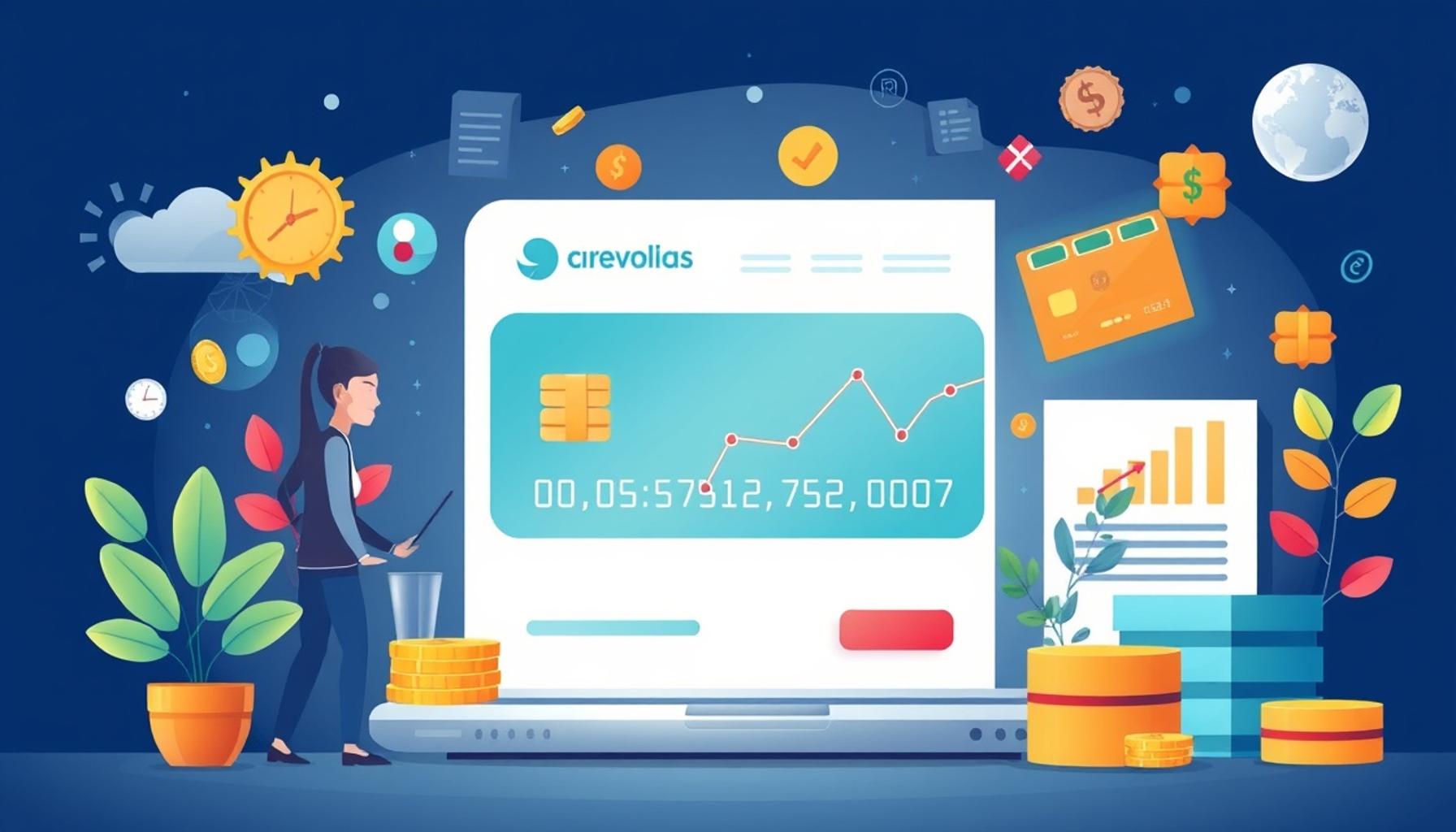
These cutting-edge financial tools are designed to meet the needs of today’s consumers who require flexibility, efficiency, and transparency. One notable aspect of digitally integrated credit cards is their instant access to funds. Users can swiftly transfer money, view their balances, and make payments through user-friendly mobile applications available for both iOS and Android devices. This ease of access allows individuals to react promptly to their financial needs without the delays often associated with traditional banking methods.
Moreover, many of these credit cards incorporate enhanced budgeting tools, effectively serving as personal finance advisors. For instance, cardholders can set spending limits, categorize expenses, and receive notifications when they approach their budgets. A practical example is a working professional who uses a budgeting feature to allocate a specific amount for dining out each month. By utilizing this tool, they can enjoy meals with friends while simultaneously ensuring they stay within their financial means.
- Rewards programs: These digital cards often come with attractive cash-back or point rewards systems. For example, a consumer might earn 2% cash back on groceries and gas, translating into significant savings over time. This incentivizes responsible credit use and makes everyday spending more rewarding, aligning perfectly with consumers looking to maximize value amidst financial uncertainty.
- Real-time spending alerts: Another advantageous feature is the ability to receive notifications for every transaction made. For a college student, this could act as a budgeting aid, flagging them when they exceed their preset limits and helping avoid overspending.
As technological advancements continue to reshape the finance sector, understanding the implications of these shifts is crucial for consumers. The convergence of technology and finance is not just about convenience; rather, it reflects a broader trend where digital solutions become a vital component of personal finance management during unpredictable times.
By examining the factors driving the popularity of digitally integrated credit cards, we can gain vital insights into shifting consumer priorities and behaviors. In challenging economic conditions, these tools become instrumental for individuals looking to take control of their financial destinies, emphasizing the importance of adaptability and informed decision-making in today’s fiscal landscape.
Understanding the Surge in Demand for Digital Financial Solutions
As the economic climate fluctuates, consumers often seek ways to protect and manage their finances better. The recent economic crises, including the global pandemic and persistent inflation, have prompted many individuals to turn toward digitally integrated credit cards as a viable solution for managing their financial lives. These cards provide a blend of technology and finance, allowing users to navigate their expenditures thoughtfully, which is increasingly essential in times of uncertainty.
To comprehend this shift, it is essential to look at several key factors contributing to the growing appeal of digitally integrated credit cards during financial downturns:
- Fraud Protection and Security: In an era characterized by rising concerns over cybersecurity threats, digitally integrated credit cards often come equipped with sophisticated fraud monitoring systems. For example, many cards use real-time alerts to notify customers of suspicious activities or transactions that differ from their typical spending patterns. This feature not only provides peace of mind but also boosts consumers’ confidence in their financial decisions.
- Access to Credit During Financial Stress: Economic crises can lead to job losses or reduced income, causing many individuals to seek access to credit for essential expenses. Digitally integrated credit cards often come with more accessible credit limits and promotional offers. For example, a recent college graduate facing temporary unemployment might find a card with a lower interest rate and no annual fee, offering immediate relief and support during challenging times.
- Personalized Financial Insights: These digital cards typically offer users data analytics that break down their spending habits. Consumers can visualize where they allocate their money and adjust their behaviors accordingly. Imagine a young family trying to budget for a baby; using the integrated app, they can see how much they spend on dining out versus groceries, allowing them to make informed decisions that prioritize their financial goals.
These factors underscore how digitally integrated credit cards not only serve as a means of making purchases but also transform into essential tools for financial management, especially during tumultuous times. The rise in demand for these cards signifies a broader adaptation to integrating technology in our day-to-day financial decision-making processes, emphasizing the importance of being informed and proactive.
As consumers continue to adapt to the realities of economic instability, understanding their personalities, preferences, and responses to financial tools will help us better assess how digitally integrated credit cards can shape financial behaviors and ultimately help users transition to smarter spending practices.
Navigating Economic Turbulence with Enhanced Features
The correlation between economic crises and the demand for digitally integrated credit cards extends beyond mere accessibility and security. As consumers become more sophisticated in their financial needs, card issuers have responded by enhancing features that cater specifically to users navigating uncertain financial waters. Understanding these features can shed light on how they influence consumer behavior during economic downturns.
- Cash Back and Rewards Programs: During challenging economic periods, consumers often look for ways to stretch their dollars further. Digitally integrated credit cards are now offering enticing cash back and rewards programs tailored to everyday spending. For example, a card might provide 5% cash back on grocery purchases, a significant consideration for a family trying to maintain their budget during a time of inflation. These offerings encourage responsible spending while rewarding consumers, thereby enhancing the appeal of these cards in crisis times.
- Flexible Payment Options: With economic uncertainty comes variability in income, prompting the need for flexibility in financial management. Many digitally integrated credit cards now offer customizable payment plans and grace periods. This allows consumers to better manage their cash flow. For instance, a cardholder who faces a temporary job loss may benefit from the option to defer payments without incurring late fees or penalties. This flexibility fosters a sense of financial control, making users more likely to engage with these cards rather than traditional credit options.
- Enhanced Customer Support Services: As consumers grapple with the stresses of economic instability, personalized customer service has gained significance. Several credit card issuers have introduced dedicated support channels that provide expert guidance and resources. For example, if a user is unsure about how to optimize their finances during a downturn, many digital platforms offer chat-based services with financial advisors. This enhanced support can guide users in making informed decisions, thus amplifying their loyalty to the card issuer.
- Integration with Budgeting Tools: The digital ecosystem has extended beyond just transaction processing. Many digitally integrated credit cards come with integration capabilities that link directly to budgeting tools or personal finance apps. These integrations can automatically categorize spending, generate financial reports, and set savings goals. For example, a user can effortlessly track their dining expenses against a set budget, making it easier to identify areas where they can cut costs. Such features are invaluable during economic turmoil when consumers are more attentive to their finances.
By offering these enhanced features, digitally integrated credit cards not only serve as financial instruments but also as robust support systems for consumers navigating economic uncertainty. As the landscape continues to shift, the demand for these multifaceted tools is likely to grow, driven by users’ desire for security, flexibility, and empowerment over their financial decisions. The evolution of credit cards thus highlights a significant change in consumer behavior, where technology plays a pivotal role in shaping financial literacy and resilience.
Conclusion
In conclusion, the demand for digitally integrated credit cards during economic crises highlights a significant shift in consumer behavior and the evolving landscape of financial services. As economic uncertainties compel consumers to seek greater flexibility and security in their financial interactions, these cards have become more than just payment tools; they are vital assets that aid users in navigating challenging financial environments. The introduction of enhanced features such as cash back and rewards programs, customizable payment options, and integration with budgeting tools speaks to the increasing need for financial products that prioritize user experience and empowerment.
The evolution of these cards emphasizes the importance of being adaptive in times of crisis. Financial institutions not only meet the immediate needs of consumers but also foster long-term loyalty through superior customer support and personalized services. This approach not only helps individuals manage their finances better but also builds a sense of community and understanding between consumers and issuers.
Ultimately, the rise in demand for digitally integrated credit cards during adverse economic conditions underscores a broader trend that couples technology with financial literacy. As consumers become more informed and engaged, they will continue to favor products that align with their evolving needs, reflecting a future where innovation and empathy redefine the credit landscape. Understanding these dynamics will serve both consumers and financial institutions well as we move forward into an increasingly digital financial world.

Beatriz
Beatriz Johnson is a seasoned financial analyst and writer with a passion for simplifying the complexities of economics and finance. With over a decade of experience in the industry, she specializes in topics like personal finance, investment strategies, and global economic trends. Through her work on our website, Beatriz empowers readers to make informed financial decisions and stay ahead in the ever-changing economic landscape.