The Effect of Social Media Campaigns on the Promotion of Cultural Events in the Philippines
The Transformative Role of Social Media in Cultural Event Promotion
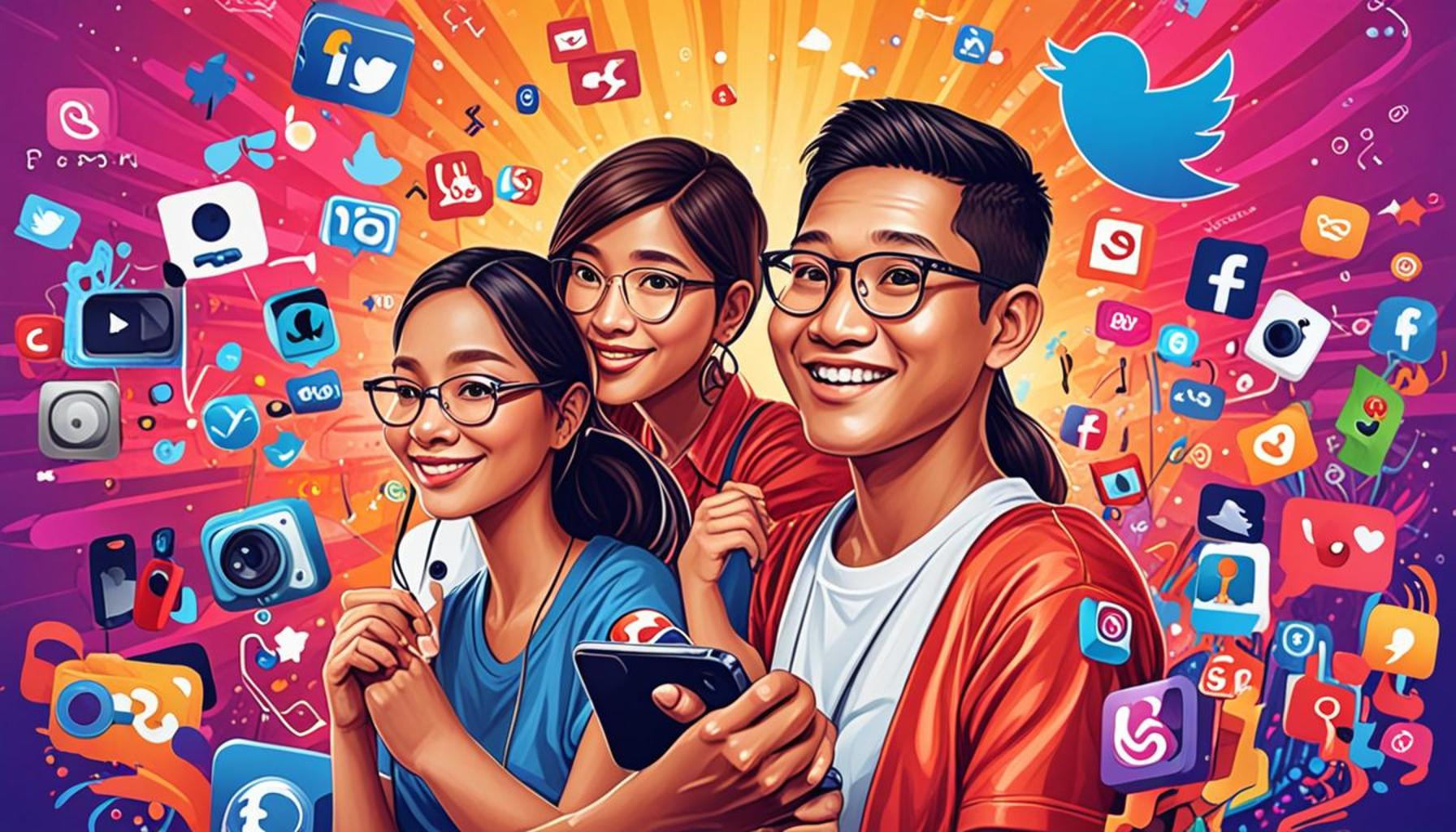
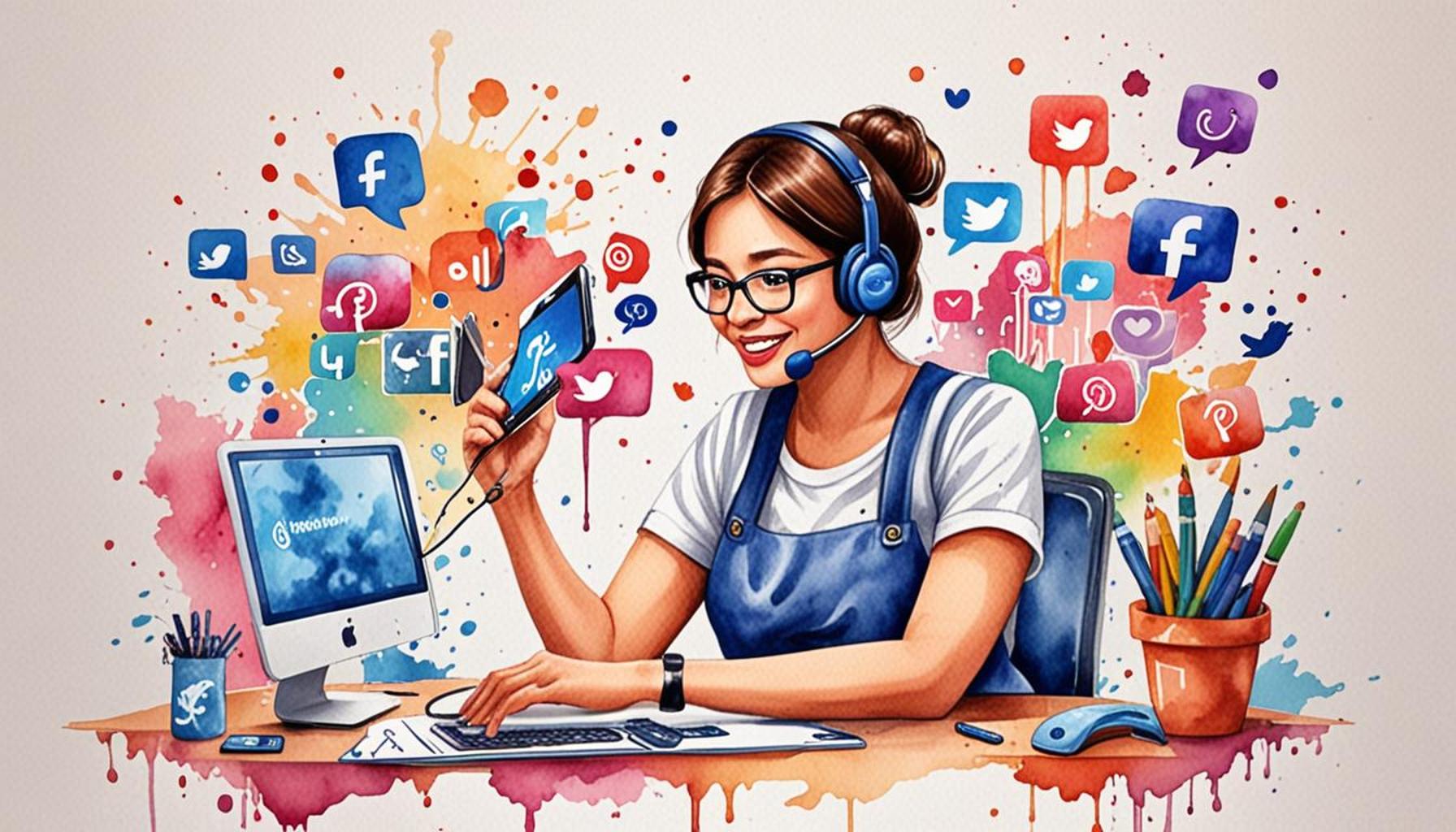
Social media has become a game-changer in the promotion of cultural events across the Philippines. Through platforms such as Facebook, Instagram, and Twitter, event organizers now possess tools that allow them to reach a broad audience and engage potential attendees in innovative ways. This digital transformation has revolutionized how cultural celebrations garner visibility and participation.
Increased Reach: One of the most significant advantages of social media is its ability to extend the reach of cultural events. Events can be shared across multiple platforms, making it possible for organizers to connect with audiences from different regions and even around the world. For example, the annual Sinulog Festival in Cebu has attracted tourists not just from local areas but also from international destinations, thanks to targeted social media campaigns.
Real-time Engagement: Social media facilitates instantaneous communication between organizers and potential attendees. This real-time engagement allows for immediate responses to inquiries and feedback. For instance, during the Pahiyas Festival in Lucban, Quezon, event organizers actively encourage festivalgoers to share their experiences online, creating a vibrant atmosphere and enhancing community involvement.
Cost-Effective Advertising: Social media offers budget-friendly advertising alternatives compared to traditional methods like print media or TV commercials. Event organizers can run targeted ads to specific demographics, such as age, location, and interests, maximizing their marketing budgets. This approach allows even small local festivals to gain significant attention without incurring high costs.
Viral Potential: The shareable nature of social media content adds an element of viral potential, where exciting posts can quickly spread through networks. Events benefit from this phenomenon—when individuals share captivating videos or images from celebrations like the Ati-Atihan Festival, they spark interest and encourage others to participate. This organic sharing can amplify promotional efforts exponentially.
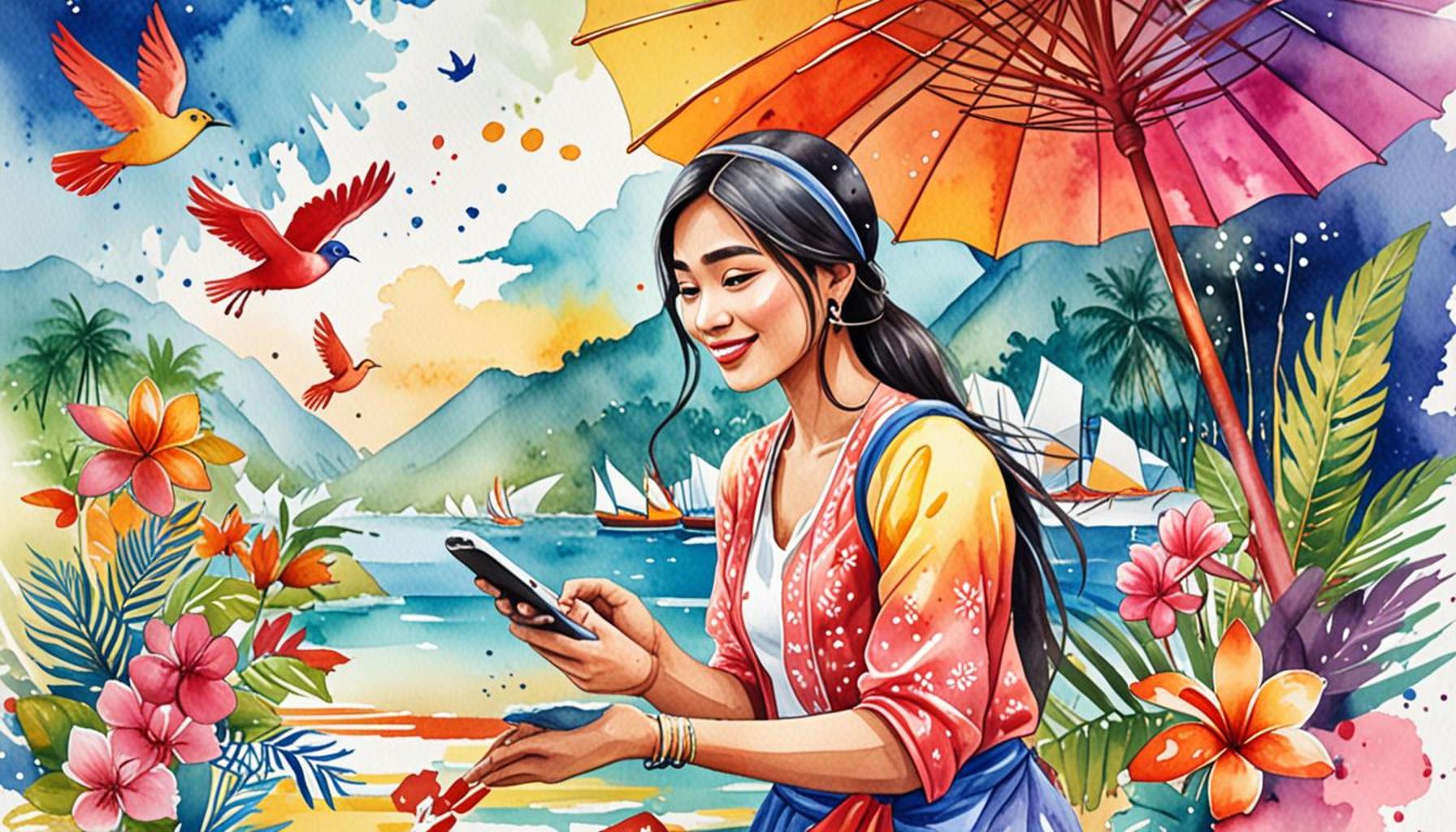
The implications of these social media campaigns extend beyond mere attendance figures. They are vital for preserving and promoting Filipino culture on a global stage. By showcasing traditional practices, artworks, and culinary delights, social media also plays a crucial role in ensuring that rich local cultures are recognized and celebrated internationally.
For those involved in organizing cultural events, understanding and utilizing social media effectively is paramount. By embracing these digital tools, they can ensure their events not only survive but thrive amid a competitive cultural landscape.
CHECK OUT: Click here to explore more
Strategic Approaches to Social Media for Cultural Events
To effectively leverage social media for promoting cultural events in the Philippines, organizers must adopt strategic approaches that target their audience and enhance engagement. Here are several key actions that can significantly improve the impact of social media campaigns:
- Identify the Target Audience: Understanding who the potential attendees are is crucial. Conduct demographic research to define the ideal audience based on factors such as interests, age groups, and geographic locations. For instance, if the event showcases traditional dance, the target audience might include students, cultural enthusiasts, and families in urban areas with higher participation rates in cultural activities.
- Choose the Right Platforms: Not all social media platforms serve the same purpose. For visually driven content, consider platforms like Instagram and TikTok that prioritize video and imagery. Conversely, for community engagement, updates, and event pages, Facebook remains an effective choice. For example, Instagram can be used to share stunning photos of event highlights, whereas Facebook can host discussions and create event invitations.
- Create Engaging Content: Invest in high-quality visuals, captivating videos, and compelling narratives that reflect the essence of the cultural event. For instance, short clips showcasing passionate performers or engaging behind-the-scenes footage attract viewers’ attention. Incorporate themes that resonate culturally, such as Filipino heritage or local traditions, to forge a deeper connection with the audience.
- Utilize Hashtags: Develop event-specific hashtags to increase visibility. This enables people to find related content easily and encourages participants to share their experiences online. Engaging hashtags might include #PistaNgKultura2023 or #FilipinoTraditions, which help create a unified conversation across platforms.
- Collaborate with Influencers: Partnering with local influencers can extend reach and credibility. Influencers who align with the cultural aspects of the event can promote it to their established followers. For example, engaging a well-known Filipino food blogger to highlight traditional delicacies at a local festival can draw in food lovers and cultural tourists alike.
Develop a Content Calendar: A well-planned social media content calendar is essential for maintaining consistent and timely posts. Include various types of content leading up to and during the event, ensuring coverage of different aspects such as behind-the-scenes preparations, participant highlights, interviews, and real-time event updates. This structured approach helps preemptively address audience questions and keeps excitement levels high.
Engage with the Community: Respond to comments, questions, and messages to foster a sense of community. Engaging with the audience not only increases loyalty but also encourages word-of-mouth promotion. Create polls or question prompts to stimulate interaction, and always acknowledge user-generated content shared by attendees, as this makes them feel valued and part of the event.
Monitor Analytics: Use insights and analytics tools provided by social media platforms to track performance. Consistently assess metrics such as reach, engagement rates, and conversions to refine and improve future campaigns. Understanding what types of content resonate most with the audience helps in optimizing posts and adjusting strategies for upcoming events.
By adopting these focused strategies, organizers can effectively elevate the visibility of cultural events in the Philippines and encourage greater participation. Not only do these actions maximize online presence, but they also contribute to the promotion and preservation of Filipino culture on both national and global stages. By integrating community insights and cultural elements, social media can transform into an influential tool for cultural promotion and engagement.
SEE ALSO: Click here to read another article
Measuring Success and Sustainability of Campaigns
After implementing social media strategies for promoting cultural events, it is crucial to measure the success of the campaigns and ensure their sustainability for future events. Here are effective steps to assess performance and maintain momentum:
- Set Clear Objectives: Before launching a campaign, define clear and measurable objectives. Whether it’s a specific number of attendees, increased engagement, or brand awareness, having distinct goals provides a benchmark against which success can be evaluated. For example, an organizer might aim for a 30% increase in social media engagement compared to the previous year.
- Track Attendance and Engagement: Use registration data and social media interactions to gauge success. Monitor ticket sales, event attendance, and the number of shares or likes on social media posts. Utilize tools like Facebook Insights or Instagram Analytics to analyze page performance and follower growth. If a significant portion of attendees came from social media, this indicates effective campaign strategies.
- Conduct Surveys: Post-event surveys can yield valuable feedback on attendees’ perceptions of the event and how they discovered it. Ask questions related to social media influences, such as whether respondents saw the event promoted on platforms like Facebook or Instagram. This qualitative data provides insights into preferred marketing channels among the audience.
- Analyze Content Performance: Review which types of posts gained the most attention. Did video clips outperform static images? Were certain hashtags more effective in generating discussions? By analyzing this content performance, organizers can refine their content strategy for future events and focus on what resonates with audiences.
- Encourage User-Generated Content: Promote an environment where attendees freely share their experiences on social media. Run contests for the best event photos or stories shared with campaign hashtags. This not only creates organic buzz but also contributes to the online narrative surrounding the event, showcasing participation and enthusiasm from the community.
Foster Partnerships for Future Events: Building long-term relationships with sponsors, local businesses, and media can enhance the sustainability of social media campaigns. Partners can provide resources, funding, and additional exposure through their platforms. For example, collaboration with local cultural institutions or tourism boards not only broadens reach but also reinforces credibility in promoting cultural heritage.
Invest in Training and Resources: Effective social media management requires skilled personnel who understand the nuances of digital marketing. Investing in training for staff responsible for handling social media or seeking out specialists can enhance campaign efficacy. Utilizing skilled graphic designers or video editors can elevate the quality of the content, making the cultural event more appealing online.
Adapt and Innovate: As social media trends constantly evolve, staying updated with the latest features and strategies can empower organizers to stay ahead. Engage in continuous learning about social media advertising, such as utilizing timely content or live streaming events to engage with a distance audience. Innovate by incorporating feedback from attendees into the planning process for subsequent events.
By actively measuring success and focusing on sustainability, social media campaigns can transform into a vital component of promoting cultural events in the Philippines, nurturing a vibrant cultural landscape and encouraging broader participation.
SEE ALSO: Click here to read another article
Conclusion
In conclusion, social media campaigns play a transformative role in the promotion of cultural events in the Philippines. By harnessing the power of platforms like Facebook, Instagram, and Twitter, event organizers can significantly expand their reach and engagement with targeted audiences. The strategies discussed, such as setting clear objectives, tracking engagement, and leveraging user-generated content, are essential for maximizing the effectiveness of these campaigns.
Moreover, building partnerships with local businesses and cultural institutions enhances the sustainability of promotional efforts, while continual training and resource investment ensures that staff are equipped with the latest digital marketing skills. Adaptability and innovation, in response to changing trends, allow event organizers to remain relevant and engaging in the ever-evolving digital landscape.
As the use of social media continues to grow, it is imperative for cultural event organizers in the Philippines to embrace these platforms proactively. By employing effective strategies and regularly evaluating their impact, they will not only drive attendance and participation but also contribute to the vibrant cultural heritage of the nation. Ultimately, successful social media campaigns become a catalyst for celebrating and preserving Philippine culture, fostering community involvement, and attracting greater attention to the rich tapestry of cultural events across the country.