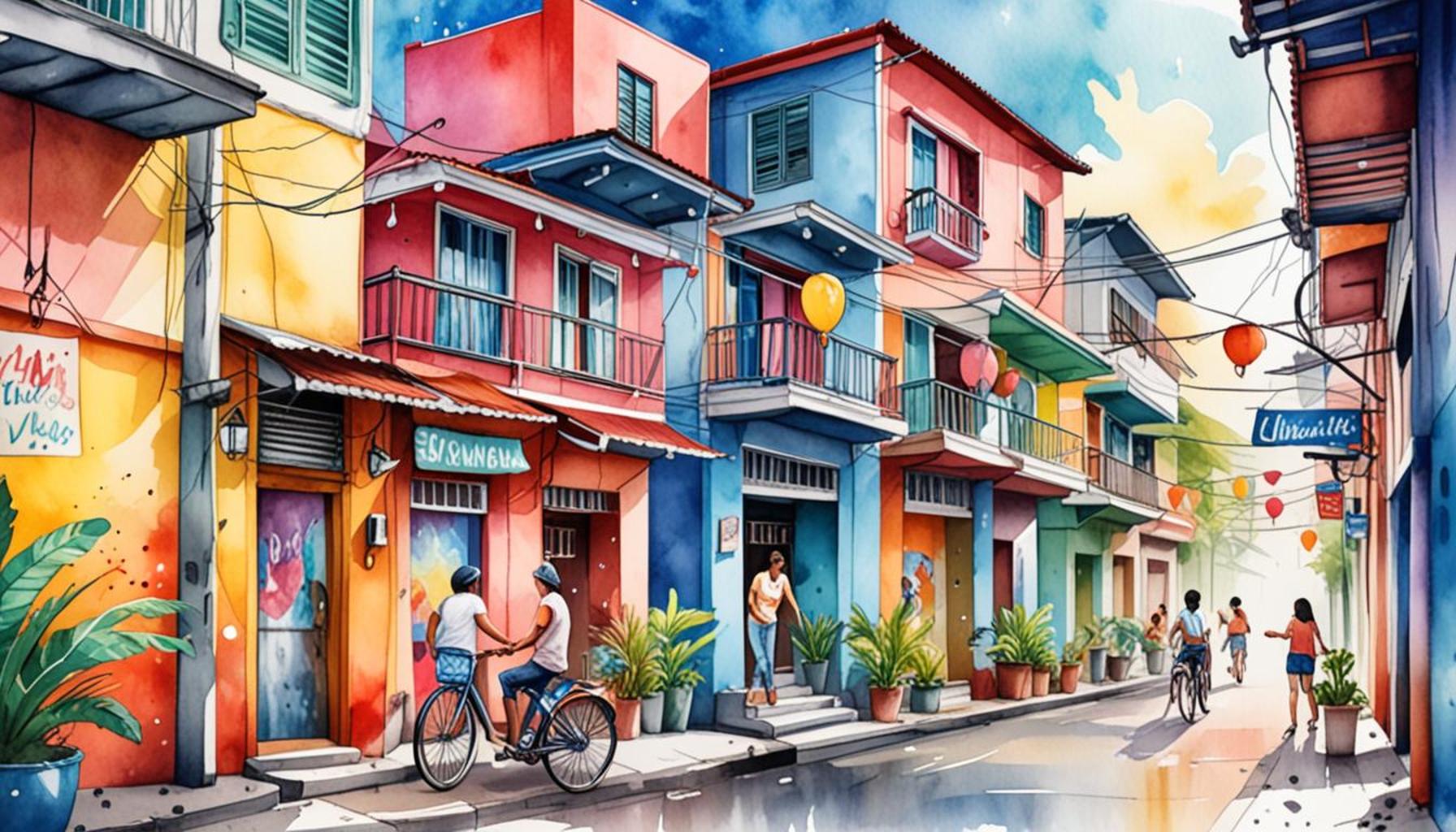
How Social Media is Facilitating Collaboration Between Brands and Communities in the Philippines

Understanding the Impact of Social Media on Brand and Community Collaboration
In the Philippines, social media has transformed how brands engage with audiences. Platforms like Facebook, Instagram, and Twitter are not just communication tools; they are vital in fostering collaboration between businesses and local communities. By leveraging these platforms, brands can create a more interactive environment that encourages customer involvement and loyalty.
Direct Engagement
The ability for brands to engage directly with community members is one of the most significant benefits of social media. Through comments, private messages, and posts, companies can address concerns immediately and adapt their strategies based on real-time feedback. This interaction not only builds trust but also improves customer satisfaction. For instance, if a local restaurant publishes a post about a new menu item, customers can offer feedback or suggestions in the comments, allowing the restaurant to refine its offerings.
Community-Centric Campaigns
Brands that tailor their campaigns to align with the values and interests of the local community often see improved relatability and engagement. By launching campaigns that resonate culturally, such as celebrating local festivals or supporting community projects, businesses can strengthen their ties to the community. An example is a clothing brand that might release a line inspired by traditional Filipino fabrics, which can attract consumers looking to support local craftsmanship while celebrating their heritage.
User-Generated Content
Encouraging user-generated content is a powerful way for brands to amplify their reach and authenticity. By inviting customers to share their experiences with a product or service, brands can cultivate a library of organic content that resonates more deeply with potential customers. For instance, a local coffee shop might run a promotional campaign inviting customers to post pictures of their favorite coffee drinks with a specific hashtag. This not only showcases the shop’s offerings but also fosters a sense of community among patrons.
Examples from the Local Market
Companies like Jollibee exemplify effective social media engagement by launching interactive promotions and creative challenges that reflect Filipino culture. Jollibee often encourages users to share their own stories about family bonding moments over a meal, inviting engagement while reinforcing brand loyalty.
Moreover, local artisans gain significant visibility through social media platforms. By highlighting their unique crafts in posts and stories, they attract consumers who prioritize supporting local businesses, particularly as more Filipinos lean towards buying local in light of the economic recovery.
In sum, as social media continues to evolve, its role in facilitating collaboration between brands and communities is vital. By employing direct engagement, launching community-centric campaigns, and leveraging user-generated content, brands not only expand their reach but also contribute meaningfully to their communities, creating a supportive environment for all involved.
SEE ALSO: Click here to read another article
Harnessing Social Media for Effective Brand and Community Partnerships
The integration of social media into daily life has not only transformed personal interactions but has also redefined the relationship between brands and communities. In the Philippines, where over 80 million people are active on social media, businesses can leverage these platforms to establish stronger connections with local communities. Here are some effective strategies that brands can implement to foster collaboration:
Create Inclusive Online Spaces
Brands should focus on building inclusive online spaces where community members feel valued and heard. This can be done by:
- Hosting live Q&A sessions: Brands can schedule regular live streams on platforms like Facebook or Instagram to answer questions from the community, giving them a direct line to the brand.
- Starting community forums: Creating dedicated groups where customers can discuss ideas or share feedback encourages deeper engagement.
- Running polls and surveys: Use social media tools to gather opinions on potential new products or services, ensuring the community has a voice in brand decisions.
These approaches help harness community input, leading to a more personalized brand experience that resonates with consumers’ needs.
Leverage Local Influencers
Connecting with local influencers can significantly enhance a brand’s reach and credibility. By collaborating with influencers who share similar values and have a strong following in the target community, brands can tap into established trust and expand their audience. Here are some steps to follow:
- Identify relevant influencers: Focus on local personalities who genuinely connect with your target audience.
- Craft authentic partnerships: Collaborate with influencers to create genuine content that highlights your brand’s involvement in community initiatives.
- Share influencer-driven campaigns: Run promotions or events where influencers actively engage the community, fostering participation and excitement around your brand.
Utilize Storytelling
Compelling storytelling can serve as a powerful tool for brands aiming to connect with their communities. By sharing stories that reflect local culture, traditions, and real customer experiences, brands can create deeper emotional connections. Here are actionable ways to implement storytelling:
- Feature community members: Share testimonials or highlight stories of local customers using your products in meaningful ways.
- Document brand journeys: Use social media to showcase the brand’s history, its commitment to the community, and ongoing efforts towards sustainability or social responsibility.
- Involve community narratives: Highlight local events or initiatives your brand supports, reinforcing your connection to the community.
By employing these strategies, brands can effectively utilize social media to build collaborative relationships with communities in the Philippines. The focus on engagement, influencer partnerships, and storytelling not only enhances brand visibility but also establishes lasting connections rooted in shared values and interests.
SEE ALSO: Click here to read another article
Engaging in Social Impact Initiatives
Brands in the Philippines increasingly recognize the importance of social responsibility and are utilizing social media as a platform to engage in initiatives that benefit local communities. By participating in or initiating social impact projects, brands can create a sense of community involvement and trust. Brands can take the following steps:
Partner with Local NGOs
Collaborating with non-governmental organizations (NGOs) allows brands to contribute to meaningful social causes. Here’s how to establish these partnerships effectively:
- Research local NGOs: Identify organizations that align with your brand values and community needs, such as those focused on education, health, or environmental conservation.
- Develop joint projects: Work together to create initiatives that offer tangible benefits to the community, such as health camps, educational workshops, or sustainability drives.
- Promote the partnership on social media: Share updates, success stories, and the impact of your joint efforts to foster transparency and encourage community participation.
Launch Cause Marketing Campaigns
Cause marketing allows brands to align their products with specific social causes, creating a win-win scenario for both parties. To launch effective cause marketing campaigns, consider the following:
- Choose relevant causes: Select causes that resonate with your target audience, such as disaster relief efforts in the Philippines or support for local artisans.
- Utilize hashtags: Create unique hashtags that promote the campaign and encourage community members to share their involvement on social media, increasing visibility.
- Incorporate community feedback: Actively seek input from community members regarding which causes they care about and use this feedback to shape your campaigns.
Facilitate Skill-Building Workshops
Brands can offer skill-building workshops to empower local communities, further strengthening ties. Here are actionable steps to organize these workshops:
- Identify community needs: Conduct surveys to determine the skills community members wish to develop, such as digital marketing, cooking, or crafts.
- Invite industry experts: Collaborate with professionals who can share their expertise during the workshops, enhancing credibility and enriching the experience.
- Share outcomes on social media: Document the workshops through photos and testimonials to showcase your commitment to empowering the community.
Involving local communities in social impact initiatives not only enhances brand loyalty but also contributes sustainable development. By integrating these strategies into their social media outreach, brands can resonate more powerfully with their audience, demonstrating that they are committed to making a difference.
Measuring Impact and Engagement
To ensure that collaborative efforts between brands and communities yield positive results, it is vital to track impact and engagement continually. Here are techniques for measuring effectiveness:
Analyze Social Media Metrics
Regularly monitoring social media metrics will help understand the level of engagement and reach of your initiatives:
- Engagement rates: Pay attention to likes, shares, comments, and mentions related to your campaigns, as they reflect community interaction.
- Follower growth: Track changes in follower counts during or after campaigns to assess how your initiatives resonate with the audience.
- Feedback analysis: Review comments and feedback on social media posts to gather qualitative insights about community sentiment.
Conduct Post-Project Surveys
After completing a project or initiative, obtaining direct feedback is crucial:
- Use online survey tools: Design simple surveys to gauge participants’ perceptions and suggestions for future activities.
- Incentivize participation: Consider offering discounts or freebies for participants who complete the survey, ensuring higher response rates.
- Analyze data for improvements: Use the survey results to identify strengths and areas of improvement for upcoming initiatives.
By actively measuring impact and community engagement through social media, brands in the Philippines can refine their strategies, ensuring they continue to meet community needs effectively while enhancing brand loyalty and reputation.
SEE ALSO: Click here to read another article
Conclusion
Social media has become an essential tool for facilitating collaboration between brands and communities in the Philippines. This dynamic platform not only allows brands to showcase their commitment to social responsibility but also empowers local communities to actively engage in initiatives that address their specific needs. By forming partnerships with local NGOs, launching cause marketing campaigns, and facilitating skill-building workshops, brands can cultivate a strong sense of trust and interaction within the community.
To measure the efficacy of these initiatives, brands must focus on analyzing social media metrics such as engagement rates, follower growth, and feedback. Implementing post-project surveys can further refine approaches, ensuring better alignment with community interests and needs. By maintaining an open dialogue with their audience, brands can identify opportunities for improvement and enhance the overall impact of their efforts.
Ultimately, the collaboration fostered through social media not only elevates brand loyalty but also contributes to the sustainable development of the Philippines. Brands that prioritize these connections are not only seen as socially responsible but are also strategically positioned to thrive in a market that increasingly values community involvement. As brands continue to leverage social media for collaboration, they are laying the groundwork for a more interconnected and supportive ecosystem where both businesses and communities can flourish.