
The Role of Social Media in Building Local Brands in the Philippines
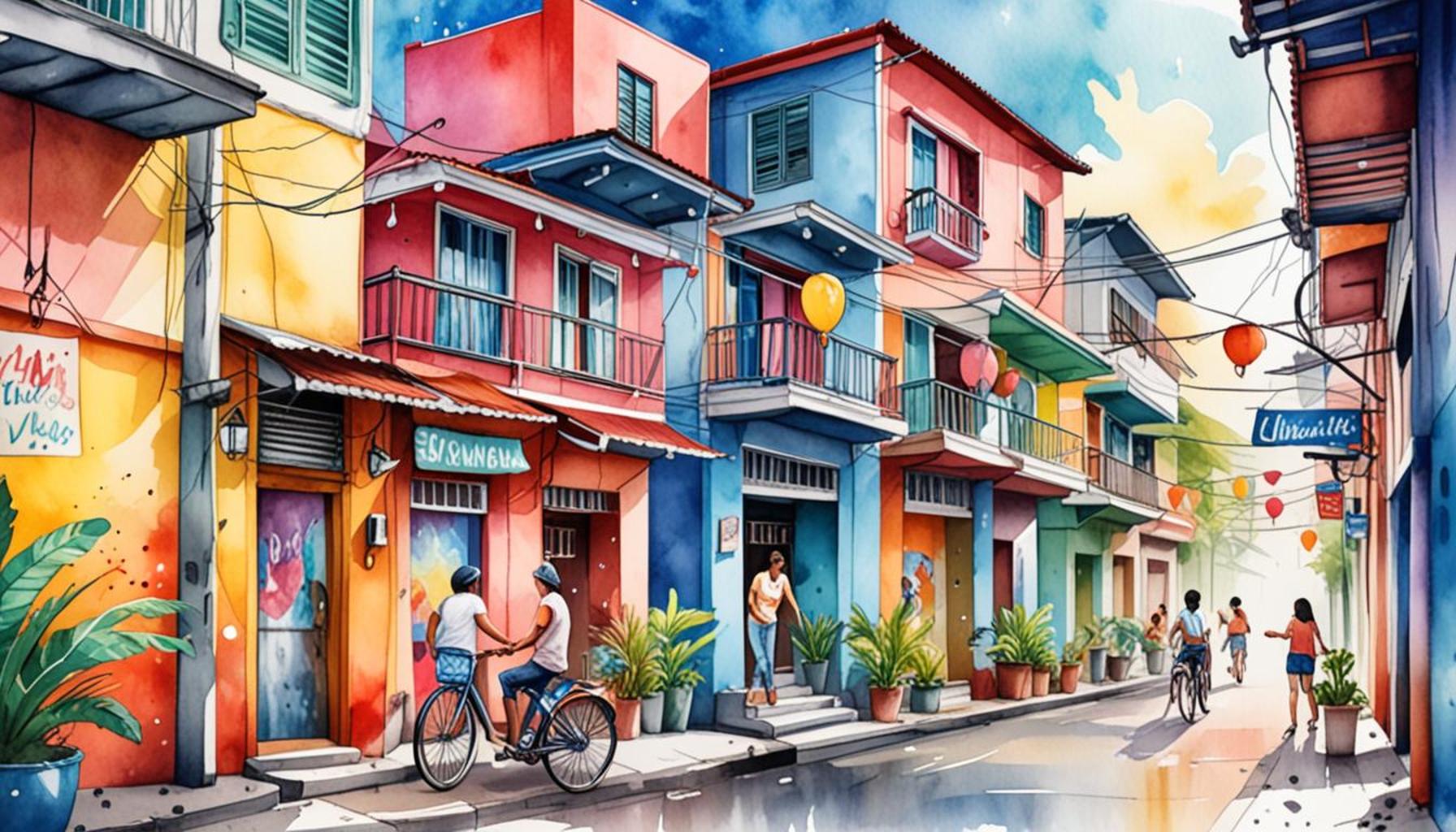
The Impact of Social Media on Local Brands
In recent years, social media has become an essential tool for businesses in the Philippines, allowing them to connect with their audience in a highly effective and interactive manner. With over 76 million users, the platforms available offer a vast market for local brands to tap into.
Direct Customer Engagement
Engaging directly with customers is one of the primary benefits of social media. Local businesses can foster relationships by responding to comments, liking user-generated content, and sharing customer feedback. For example, Filipino restaurants can post photos of their popular dishes and encourage customers to share their dining experiences. When a customer posts a review or a picture of their meal, acknowledging it publicly reinforces a sense of community and loyalty.
Creating a Unique Brand Identity
Social media allows local brands to create brand identity through dynamic content. By utilizing photos, videos, and stories, businesses can illustrate their mission and values. For instance, a local fashion brand can showcase the craftsmanship behind its products, highlight the artistry of Filipino culture, and present behind-the-scenes peeks into its design process. By telling a compelling brand story, businesses can create emotional connections with their audiences.
Targeted Advertising
Utilizing targeted advertising is a game-changer for local businesses. Platforms like Facebook and Instagram offer sophisticated algorithms that enable advertisers to reach specific demographics effectively. For example, a shop selling locally-made home decor can target ads to users in specific regions of the Philippines who have interests in interior design and home improvement. This precise targeting maximizes marketing budgets and increases the likelihood of conversions.
Building Community
Strong community ties are essential for local brands. Through community building, brands can join and create online groups centered around local interests. For instance, a community of small-hold farmers can come together on a Facebook group to share tips, and best practices, and promote their produce. This sense of belonging enhances customer loyalty and promotes organic growth through word-of-mouth. Businesses can also host online events or webinars to engage their community further.
Cost-Effective Marketing
Another advantage of social media is cost-effective marketing. Compared to traditional advertising methods such as print or TV, social media offers inexpensive options. A local bakery, for example, can effectively reach its audience by posting about promotions or special events on its social media pages, rather than investing heavily in advertisements. This strategy allows small businesses to operate within their budget while still attracting attention.
Real-Time Feedback
Social media provides the unique advantage of real-time feedback. Brands can quickly adjust their strategies based on customer responses. For example, if a new product does not resonate well with customers, a business can pivot quickly to make necessary adjustments based on feedback received through social media interactions. This adaptability is crucial for businesses to stay relevant in a rapidly changing market.
By leveraging social media effectively, local brands in the Philippines can cultivate meaningful relationships, enhance brand identity, and achieve their marketing goals. Understanding the nuances of these platforms is key—brands that engage authentically and stay attuned to customer needs will stand out in the competitive landscape. Focus on actionable strategies and enjoy the benefits of increased visibility and community engagement, ultimately driving growth and success.
SEE ALSO: Click here to read another article
Strategies for Maximizing Social Media Impact
In today’s digital landscape, social media has become an indispensable tool for local brands in the Philippines seeking to amplify their reach and connect with their audience. Each action taken on these platforms, from understanding your customer to analyzing performance, plays a pivotal role in enhancing your brand identity and business growth. Below are actionable strategies designed to maximize your social media impact.
Define Your Target Audience
Identifying your target audience is the foundation of a successful social media strategy. This involves:
- Research demographics: Conduct thorough research to understand the age ranges, gender distribution, geographic locations, and specific interests of your ideal customers. For instance, if your business focuses on handmade crafts, narrow down your audience to those interested in arts and crafts in urban areas like Metro Manila.
- Utilize social media analytics: Platforms like Facebook and Instagram offer powerful analytics tools that provide insights into user behaviors, peak times for engagement, and effective content types.
- Create customer personas: Develop detailed profiles that represent different segments of your target audience. These personas should highlight their preferences, pain points, and buying behaviors to help tailor your messaging effectively.
Regular Content Creation
Content is the lifeblood of social media engagement. Here’s how to maintain a steady stream:
- Develop a content calendar: Map out your content plans for the month, including promotional posts, educational articles, and user-generated content like customer testimonials. This proactive approach ensures you stay organized and responsive to events in the local community.
- Use diverse formats: Different content formats keep your audience engaged. Create infographics showing product benefits, host live Q&A sessions, and share behind-the-scenes videos of your business to cater to varied preferences.
- Focus on storytelling: Narratives resonate with audiences. Share stories about your brand’s journey, commitment to sustainable practices, or how a local community initiative has made a difference. This not only humanizes your brand but fosters deeper connections.
Leverage Influencer Partnerships
Your reach can expand significantly through collaborations. To work effectively with influencers:
- Identify relevant influencers: Research local influencers whose audiences align closely with your brand’s values. This could be lifestyle bloggers, food critics, or beauty vloggers in the Philippines.
- Build authentic relationships: Engage with influencers by liking and commenting on their content to establish a genuine connection prior to proposing partnership opportunities.
- Create mutually beneficial campaigns: Offer innovative incentives like exclusive products or commissions on sales generated through their referrals, ensuring both parties benefit from the partnership.
Monitor and Analyze Performance
To fine-tune your social media strategy, continuous monitoring and analysis are crucial. Here’s how to stay informed:
- Track engagement rates: Utilize social media insights tools to measure likes, shares, comments, and overall engagement rate, identifying which content resonates most.
- Assess conversion rates: Gauge how many social media interactions lead to sales or inquiries. Understanding this can help confirm the effectiveness of your campaigns and identify areas for improvement.
- Adjust strategies based on data: Remain flexible and be prepared to adapt your strategies. If certain content formats consistently underperform, pivot to focus more on what works best for your audience.
By implementing these structured strategies, local brands in the Philippines can significantly enhance their visibility and foster deeper consumer engagement on social media. Concentrating on audience definition, regular content creation, influencer partnerships, and data analysis will not only cultivate a robust online presence but also contribute to sustained customer loyalty and business growth.
SEE ALSO: Click here to read another article
Enhancing Community Engagement
Building a local brand on social media in the Philippines goes beyond marketing products; it involves fostering a community around your brand. Engaging with your audience and nurturing relationships can lead to brand loyalty and advocacy. Here are key strategies to enhance community engagement effectively.
Encourage Customer Interaction
Increasing two-way communication is essential. Here’s how to promote customer interaction:
- Utilize polls and surveys: Create interactive posts that involve your audience, such as polls or surveys about their preferences or experiences with your products. This not only gathers valuable feedback but also makes customers feel involved in decision-making.
- Host giveaways and contests: Organize online contests that require participants to share your brand’s content to enter. For example, ask followers to tag friends in the comments for a chance to win your product, broadening your reach while generating buzz.
- Respond promptly to comments and messages: Make it a priority to engage with your followers by responding to their inquiries and comments in a timely manner. This demonstrates that you value your customers and enhances their connection to your brand.
Utilize Local Trends and Memes
Incorporating cultural elements into your social media strategy can resonate well with the Filipino audience:
- Tap into local events: Stay updated with community events or national holidays and create content that aligns with these occasions. For example, during Flores de Mayo, you could highlight local floral arrangements if your brand is in the home décor sector.
- Incorporate relatable humor: Use local memes or humorous content that your target audience can relate to, which can make sharing easier and promote organic reach among your community.
- Support social causes: Align your brand with social issues that matter to your audience. Showcasing support for local charities or initiatives not only generates goodwill but fosters a community rallying around shared values.
Create a Consistent Brand Voice
A recognizable and consistent brand voice helps build trust and recognition. Here’s how to achieve this:
- Establish brand guidelines: Define your tone and messaging style. This could be friendly and conversational or professional and informative. Consistency across posts reinforces brand identity.
- Use visual elements strategically: Adopt a cohesive aesthetic, including color schemes, fonts, and logos that reflect your brand’s personality. This visual consistency should flow through all social media platforms.
- Share user-generated content: Showcase content created by your customers, whether it be testimonials, reviews, or images of them using your products. This not only builds credibility but also encourages customers to share their experiences, amplifying your reach.
Engage with Local Influencers and Organizations
Collaborating with local influencers can significantly elevate your brand presence. Consider the following strategies:
- Partner with community figures: Identify community leaders or local celebrities who resonate with your target audience. Collaborating with them can lend familiarity and trust to your brand.
- Support local businesses: Engage in collaborations with other local brands for mutual promotion. This can include cross-promotional posts or joint events that leverage each other’s customer bases.
- Participate in local initiatives: Engage in or sponsor local events, markets, or fairs. Not only can this demonstrate your commitment to the community, but it also provides rich content for social media sharing.
By prioritizing community engagement through interactive content, local influences, and a consistent brand voice, local brands in the Philippines can foster a dedicated customer base. These strategies will elevate brand awareness and establish your business as a trusted community member, essential for ongoing success.
CHECK OUT: Click here to explore more
Conclusion
In summary, social media is more than a mere marketing tool; it is a crucial platform for building local brands in the Philippines, enabling them to flourish amid stiff competition. A strong emphasis on community engagement can significantly boost a brand’s presence. By fostering genuine relationships through interactions, brands can see an uplift in customer loyalty and advocacy. To encourage customer interaction, businesses should implement strategies like running polls to gauge opinions, hosting giveaways to incentivize participation, and ensuring prompt responses to customer inquiries and comments.
Furthermore, aligning marketing efforts with local trends and incorporating cultural elements can help create a more relatable brand image. For example, utilizing popular Filipino holidays or local vernacular in campaigns can resonate better with the target audience. This cultural connection fosters a sense of belonging and encourages consumers to choose local brands over international ones.
Another key factor in brand building is maintaining a consistent brand voice. Establishing clear guidelines on tone and visual elements is essential for fostering trust and recognition among customers. Uniformity across all social media platforms helps customers identify the brand effortlessly. Collaborating with local influencers can also be an effective strategy. Not only do influencers expand a brand’s reach, but they also help forge stronger community ties, essential for lasting success.
Ultimately, local brands should view social media as a means for establishing authentic connections rather than just a platform for sales. By investing in community engagement strategies and niche marketing approaches, local businesses can skillfully navigate the fast-changing landscape of digital marketing, paving the way for sustainable growth and market differentiation in the Philippines.

Linda Carter
Linda Carter is a writer and marketing specialist who helps businesses and entrepreneurs build strong brands and effective growth strategies. With extensive experience guiding companies to increase their market visibility and make data-driven decisions, she shares practical marketing insights on our platform. Her goal is to empower readers with actionable advice and proven techniques to achieve sustainable business growth and marketing success.