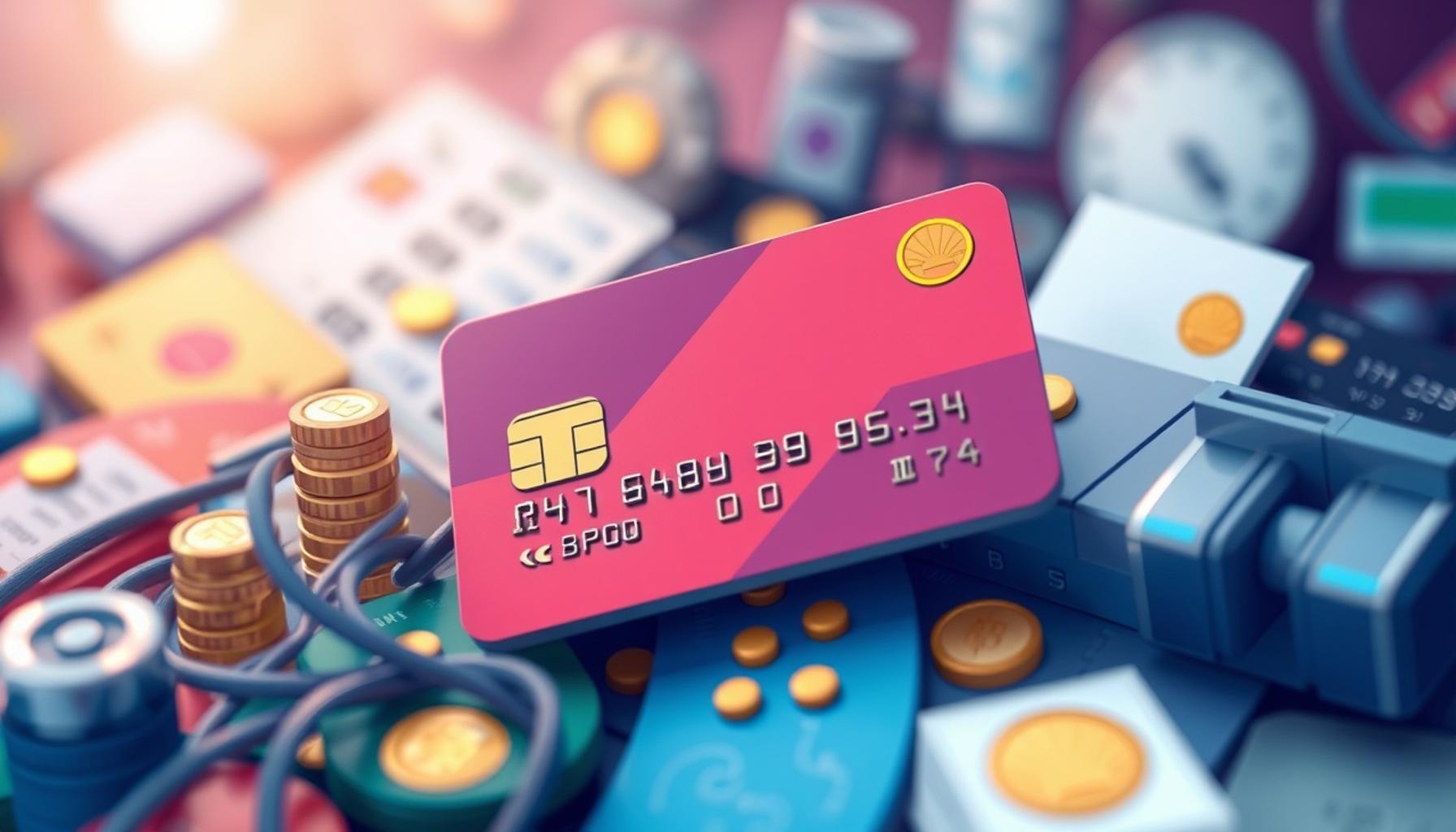
The Role of Credit Cards in the Post-Pandemic Digital Economy

The Changing Financial Landscape
The past few years have significantly reshaped our financial landscape, particularly in the wake of the pandemic. As businesses pivoted online and consumers adapted to new purchasing habits, credit cards emerged as a crucial tool in this evolving digital economy. With an increasing reliance on digital transactions, it’s essential to analyze why credit cards have become more relevant than ever in our day-to-day lives.
Convenience at Your Fingertips
One of the primary advantages of using credit cards is their unmatched convenience. With the rise of contactless payment systems and the booming prevalence of online shopping, credit cards allow users to manage transactions swiftly and effortlessly. For instance, during the pandemic, people relied on e-commerce for everything from groceries to clothing. E-commerce platforms such as Amazon and retailers like Walmart saw a surge in online transactions, and credit cards made these transactions smooth, enabling consumers to make quick purchases without the hassle of carrying cash.
Attractive Rewards and Bonuses
Moreover, many credit card companies offer attractive rewards and bonuses that can enhance the overall spending experience. For example, customers can earn cashback on groceries or get travel rewards that can be redeemed for flights and hotel stays. Cards like the Chase Sapphire Preferred and the Capital One Quicksilver are particularly popular for this reason. By leveraging the rewards system, savvy consumers can maximize their spending—turning everyday purchases into opportunities for savings or future travel adventures.
Building Your Financial Future
In addition to convenience and rewards, responsible credit card usage plays a vital role in credit building. Regularly using a credit card for small expenses and paying off the balance in full each month helps to establish and maintain a healthy credit score. A strong credit score is crucial when applying for larger loans, such as mortgages or car financing. For instance, someone looking to buy their first home will benefit from a good credit score, as it can lead to better interest rates and loan terms.
Transforming Businesses and Retailers
As we navigate this new normal, understanding the impact of credit cards on consumer behavior and the economy is vital. From small businesses to major retailers, the acceptance and burgeoning use of credit cards have transformed how transactions occur. Many small businesses that may have previously operated on a cash-only basis have adapted to accepting credit cards, recognizing that doing so can increase sales and provide greater convenience to customers.
In conclusion, credit cards have found their place as indispensable financial tools in our daily lives. Their role goes beyond simple transactions, impacting spending behavior and fostering financial growth for both consumers and businesses alike. As we look to the future, it remains essential for consumers to navigate this landscape wisely, making informed choices that will benefit their financial health.
Embracing Digital Transactions
The shift towards a digital economy has made credit cards a lifeline for consumers and businesses alike. As physical stores faced temporary closures during the pandemic, many turned to online platforms for retail. Credit cards not only facilitated this transition but also offered a sense of security in financial transactions. With just a few clicks, consumers can now complete purchases from the comfort of their homes, making credit cards an essential part of the shopping experience.
In this context, it’s important to understand how digital wallets and mobile payment applications have gained popularity alongside traditional credit card usage. Apps such as Apple Pay, Google Wallet, and Samsung Pay integrate seamlessly with users’ credit cards, providing a quick and easy payment option for those on the go. This digital embrace enhances not only efficiency but also safety, as it minimizes contact points during transactions.
Security Features That Inspire Confidence
With the rise in digital transactions, security remains a significant concern for consumers. Credit cards come equipped with advanced security features designed to protect users from fraud. For instance, fraud alert notifications inform cardholders of suspicious activity, while features like two-factor authentication add layers of protection during online purchases. Furthermore, many credit cards offer built-in insurance against fraudulent charges, allowing consumers to shop with peace of mind.
Some key security features include:
- EMV Chip Technology: This technology provides enhanced security by encrypting payment data to prevent unauthorized access.
- Virtual Credit Card Numbers: Some banks allow users to generate temporary card numbers, ensuring that actual credit card information remains confidential.
- Auto-Notifications: Receiving alerts for transactions can help consumers quickly identify and report unauthorized payments.
The Role of Credit Cards in Budget Management
Another significant benefit of credit cards lies in their ability to assist consumers with budget management. Many credit cards provide detailed monthly statements that categorize spending, making it easier for users to track their expenses. By utilizing this feature, consumers can identify their spending habits, allowing them to adjust their financial behaviors accordingly.
For example, if a consumer notices they are spending more on dining out than intended, they can create a budget to limit expenditures in that category. Additionally, credit card companies often offer tools and mobile applications that help monitor spending in real-time, providing insights and helping to devise strategies for better financial management.
In summary, credit cards have become an integral part of the digital economy, embracing a more convenient, secure, and responsible approach to managing personal finances. As we adapt to this new landscape, recognizing the benefits credit cards offer can empower consumers to take control of their financial futures.
Rewarding Consumer Loyalty
In the evolving landscape of consumerism, credit cards play a pivotal role in not just facilitating transactions but also rewarding loyalty. Many credit card issuers have implemented reward programs that allow cardholders to earn points, cash back, or travel miles for every dollar spent. This incentive system not only encourages users to rely on their credit cards for everyday purchases but also fosters a deeper relationship between consumers and their financial institutions.
For example, a typical rewards card may offer 1.5% cash back on all purchases, while other cards may provide higher percentages on specific categories, such as groceries, dining, or travel. This targeted approach allows consumers to choose cards that align with their spending habits, ultimately maximizing their rewards. A family that frequently dines out may benefit from a card that offers a higher cash back rate for restaurant purchases, thereby turning everyday spending into tangible rewards.
Moreover, many issuers have begun to integrate these reward programs into their mobile applications, making it easier than ever for consumers to track their rewards and redeem them. Users can see real-time updates on their point balances and receive personalized offers that encourage them to shop with specific retailers. This dynamic integration exemplifies the merger of credit card functionality and digital technology, enhancing the overall user experience.
Credit Cards and Financial Flexibility
Another crucial aspect of credit cards in the post-pandemic digital economy is the financial flexibility they offer consumers. With the uncertainties surrounding employment and income stability, having access to credit can provide a safety net during challenging times. For instance, in situations where unexpected expenses arise—such as medical bills, car repairs, or home maintenance—credit cards allow users to manage these costs without immediate financial strain.
Additionally, many credit cards provide an option for installment payments, enabling cardholders to pay off large purchases over time without incurring high-interest charges. This feature can be particularly beneficial for significant expenses like home appliances or electronics. By breaking down the total amount into manageable monthly payments, consumers can budget better without the risk of falling into overwhelming debt.
Furthermore, several credit cards offer promotional financing deals, such as 0% introductory APR for an extended period on balance transfers or new purchases. These offers empower consumers to manage their finances effectively while avoiding interest charges, thus making larger purchases more accessible without incurring immediate costs.
The Benefits of Financial Education
As the role of credit cards continues to evolve, financial education becomes increasingly important. Many credit card companies are now focusing on providing resources that educate consumers about responsible credit use. Tools such as budgeting calculators, credit score simulators, and financial literacy articles are often available through card issuers’ websites and apps. This emphasis on financial empowerment helps consumers make informed decisions, ultimately fostering a more stable financial landscape.
For instance, understanding the implications of carrying a balance on a credit card can lead consumers to prioritize timely payments, which in turn helps maintain or improve their credit scores. Additionally, educational resources often tackle topics such as the cost of interest, the benefits of paying more than the minimum, and strategies for effectively managing multiple credit cards.
In summary, as we navigate the complexities of the post-pandemic digital economy, credit cards are positioned as not just a payment method but as a versatile financial tool. Their rewards systems, flexibility in payment options, and dedication to financial education all contribute to empowering consumers in their financial journeys.
Conclusion
As we reflect on the profound changes in consumer behavior following the pandemic, it becomes clear that credit cards have evolved into indispensable tools in the modern digital economy. They do far more than merely facilitate transactions; they serve as a means of enhancing consumer loyalty through innovative reward programs that cater to individual spending habits. These programs not only incentivize spending but also allow consumers to capitalize on their everyday purchases, turning routine expenses into valuable rewards.
Furthermore, the financial flexibility offered by credit cards provides a crucial safety net during uncertain times. The ability to manage unexpected expenses through installment payments and promotional financing options empowers consumers to navigate their financial landscapes with greater confidence. In today’s context, where job security and income stability can be unpredictable, credit cards have become essential in helping individuals maintain their financial health.
Equally important is the role of financial education, as credit card companies increasingly provide resources that inform cardholders about responsible credit use. By equipping consumers with knowledge on budgeting, managing debt, and exercising responsible spending habits, these initiatives contribute to a healthier financial ecosystem. A well-informed consumer is not just a better customer; they are better equipped to achieve long-term financial stability.
In conclusion, as we embrace the opportunities of the post-pandemic digital economy, understanding and utilizing credit cards effectively will be paramount. Their benefits extend beyond mere convenience; they encompass a blend of rewards, flexibility, and education that collectively empower consumers to take control of their financial futures. As we move forward, leveraging these tools wisely can lead to a more secure and prosperous economic landscape for everyone.

Beatriz
Beatriz Johnson is a seasoned financial analyst and writer with a passion for simplifying the complexities of economics and finance. With over a decade of experience in the industry, she specializes in topics like personal finance, investment strategies, and global economic trends. Through her work on our website, Beatriz empowers readers to make informed financial decisions and stay ahead in the ever-changing economic landscape.