
The Role of Social Media in the Dissemination of Fake News and Misinformation
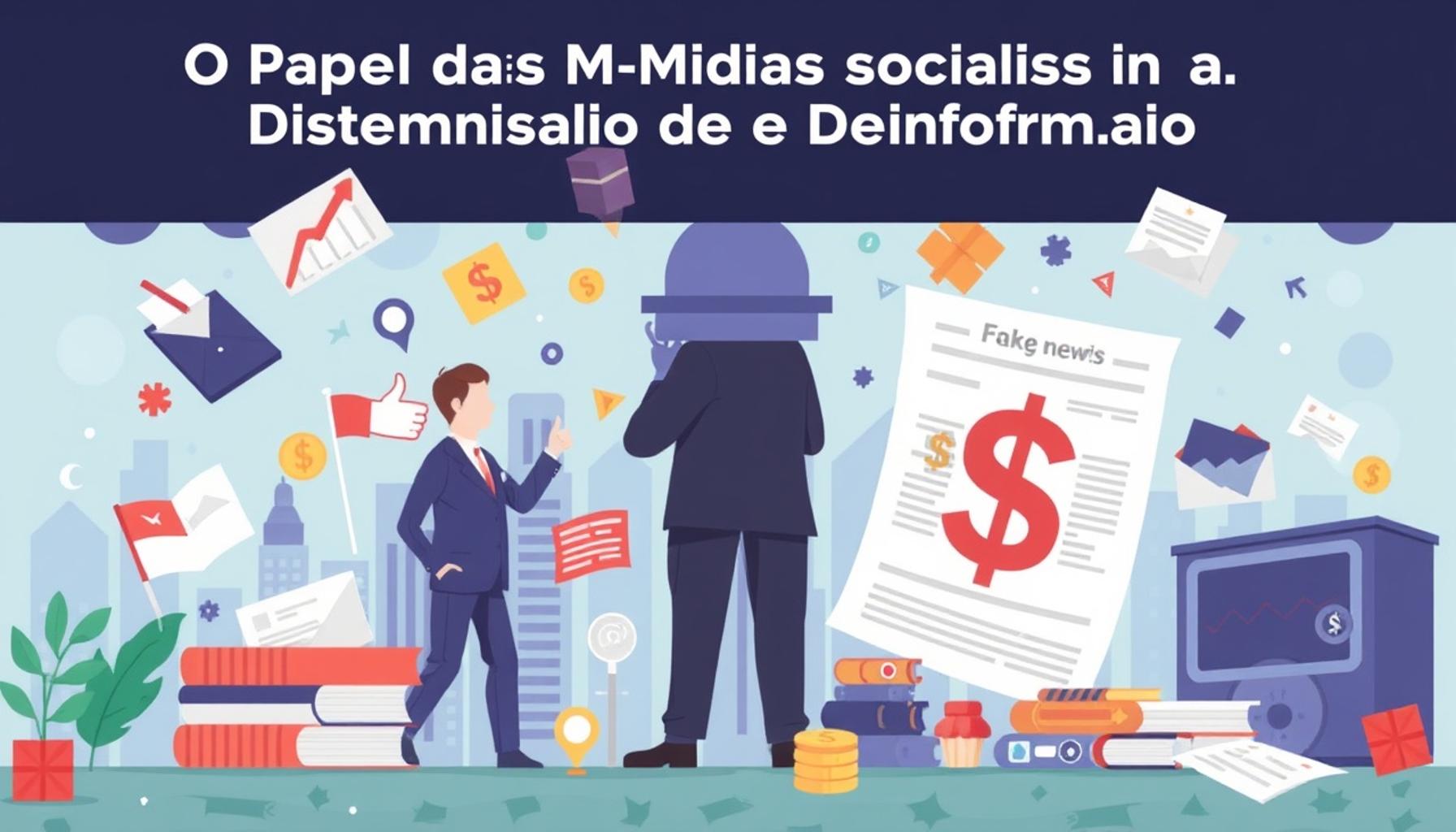
The Impact of Social Media on Information Sharing
In today’s digital landscape, social media platforms have fundamentally transformed the way information is shared and consumed by individuals across the globe. Platforms such as Facebook, Twitter, and Instagram provide remarkable connectivity and accessibility, allowing users to engage with content from diverse sources instantaneously. However, this rapid flow of information brings significant challenges regarding content accuracy, making it essential for users to be vigilant about the sources and validity of what they encounter online.
Key Factors Contributing to the Rise of Fake News
- Speed of dissemination: One of the most pressing issues with social media is the speed at which information spreads. Within moments, a tweet or post can reach thousands or even millions of users, often before it has been properly verified. For instance, during critical events such as elections or natural disasters, unverified information can influence public perception and response before authorities can issue corrections.
- Viral nature: Sensational stories, which often evoke strong emotions, are more likely to be shared widely. For example, a false rumor claiming that a celebrity has died can go viral, leading to widespread confusion and distress before being debunked. This tendency to gravitate towards sensationalism can distort public understanding of significant issues.
- Lack of accountability: Many social media users operate under pseudonyms or anonymous accounts, making it challenging to trace the origin of misinformation. This anonymity can lead to a lack of responsibility, as individuals may spread false information without fear of repercussions, contributing to a pervasive environment of distrust in online content.
The Impact of Misinformation
The consequences of misinformation are profound and multifaceted. For example, public misinformation can lead to:
- Public confusion: As misinformation spreads, individuals often find it increasingly difficult to distinguish between fact and fiction. This confusion can lead to misguided decisions and actions based on inaccurate information, exacerbating societal issues.
- Polarization: False narratives can deepen societal divides, as different groups come to believe in contrasting realities. This polarization can lead to hostility and tension within communities, especially on contentious issues like healthcare and politics.
- Mistrust: The consistent spread of false information undermines public trust in legitimate news sources and institutions. As people become more skeptical, they may disregard credible journalism, opting instead for unverified sources that align with their biases. This trend can result in a fragmented media landscape, where factual reporting struggles to regain its footing.
Our Responsibility as Media Consumers
As active media consumers, it is our collective responsibility to engage critically with the content we encounter. Fostering a culture of skepticism is crucial; this means questioning the veracity of information and seeking out reputable sources before sharing or acting on it. Simple steps such as verifying facts, checking multiple sources, and being cautious of overly sensational headlines can significantly reduce the impact of misinformation. By promoting these practices, we can enjoy the connectivity and community that social media offers while safeguarding the integrity of the information we consume and share.
DON’T MISS OUT: Click here to discover what changes are coming in 2024</p
Understanding the Mechanics of Misinformation Spread
To grasp the role social media plays in the dissemination of fake news and misinformation, it’s essential to understand the mechanics behind how information circulates on these platforms. Unlike traditional news outlets, where editorial oversight and fact-checking are more common, social media allows anyone with an account to publish and share content instantly, leading to the rampant spread of unverified information.
The Algorithms of Engagement
Social media platforms utilize complex algorithms designed to maximize user engagement. These algorithms prioritize content that generates high levels of interaction, such as likes, shares, and comments. As a result, content that is sensational or emotional tends to perform better than balanced reporting or factual information. The emphasis on engagement often incentivizes users to share provocative stories, regardless of their truthfulness.
- Echo chambers: Social media users tend to follow accounts that share similar viewpoints, creating echo chambers where misinformation can thrive. When fake news is repeatedly introduced and reinforced by like-minded individuals, it becomes accepted as reality, further entrenching beliefs and biases.
- Confirmation bias: Individuals often seek out information that confirms their existing beliefs while dismissing contradicting evidence. This cognitive bias is exacerbated on social media, where users are constantly bombarded with content that aligns with their perspectives. Misinformation that resonates with these beliefs is more likely to be shared, perpetuating falsehoods.
- Influencer impact: The rise of social media influencers has introduced another layer of complexity to the spread of misinformation. These individuals possess substantial followings, and their endorsement of dubious claims can amplify the reach of fake news, making it even harder for audiences to discern credible information from false narratives.
The Role of Emotional Appeal
Another critical factor in the spread of misinformation on social media is the emotional appeal of the content. Research shows that stories that provoke strong emotions, such as fear, anger, or joy, are more likely to be shared than neutral or fact-based content. For instance, during major political elections, emotionally charged posts about opposing candidates can rapidly go viral, skewing public perception and influencing voter behavior.
This emotional engagement can override critical thinking, leading to a situation where users may prioritize the sensational nature of content over its factual accuracy. Consequently, misinformation can easily become ingrained within the collective consciousness, making it much harder to rectify even after it has been discredited.
Understanding these mechanics is vital for recognizing how misinformation proliferates and the significant role social media plays in shaping public opinion. As we navigate this digital landscape, it’s essential to be aware of our consumption habits and the factors that encourage the spread of fake news.
DIVE DEEPER: Click here to uncover more insights
Amplifying Misinformation through User Behavior and Features
In addition to algorithms and emotional appeal, understanding user behavior and platform features is crucial in examining how misinformation proliferates on social media. The unique characteristics of these platforms, combined with user interactions, often fuel the rapid spread of fake news.
The Share Button Phenomenon
One of the most notable features on social media platforms is the convenience of the share button. This simple tool allows users to disseminate content with just a click, drastically reducing the effort required to spread information. While this feature promotes the sharing of positive and informative content, it also facilitates the rapid transmission of misleading or false information. In fact, a study by MIT found that false news stories are 70% more likely to be retweeted than true stories, highlighting how easily misinformation can circulate.
- Context collapse: Social media often combines various social circles, leading to what is known as “context collapse.” Users may not consider the impact or credibility of the information they share when it is distributed across diverse audiences. For instance, a user may share sensational content within their friends’ group without considering the potential confusion or harm it might cause among their followers.
- Behavioral nudges: Platforms also utilize behavioral nudges, such as notification alerts that encourage users to engage with trending topics. This can lead users to prioritize viral content—often shared without verification—over more dependable sources. When users are constantly informed about ‘hot’ topics, they might feel compelled to share information without critically evaluating its source.
The Role of Visual Content
Visual content plays a critical role in the spread of misinformation. Images, videos, and infographics are more likely to catch users’ attention and elicit emotional responses than text-based articles, making them powerful tools for disinformation campaigns. For example, manipulated images or videos that portray a distorted reality can go viral in mere moments, outpacing efforts to debunk them.
Moreover, deepfake technology has introduced another layer of complexity to visual misinformation. Clips that convincingly show individuals saying or doing things they never did can mislead viewers and distort public perceptions of events or figures. The rapid development of such technology demands vigilant scrutiny and robust media literacy among users who may uncritically accept what they see.
The Spread of Misinformation During Crises
Social media has also been shown to exacerbate the spread of misinformation during times of crisis, such as natural disasters or health emergencies. During the COVID-19 pandemic, for instance, false information about the virus, vaccines, and preventive measures proliferated rapidly on social media. Users often turned to these platforms for real-time updates and, in many cases, encountered misleading claims that fueled confusion and fear. An analysis demonstrated that misinformation about COVID-19 could result in public health hazards, as individuals sought to act on incorrect advice.
This impact of social media in crisis situations underscores the need for responsible sharing practices among users. By adopting a more critical approach to the information consumed and shared, individuals can help reduce the vulnerability to misinformation propagated through these channels.
DISCOVER: Click here to dive deeper into authentication trends
Conclusion
In summary, the role of social media in the dissemination of fake news and misinformation is profoundly significant and multifaceted. As we’ve explored, the very features that make social media platforms highly engaging—like the share button, visual content, and the amplification of trends—can also serve as vehicles for misleading information. The ease of sharing without adequate verification often leads to the rapid spread of false narratives, which can have real-world consequences, especially during critical moments such as public health emergencies or political events.
Moreover, the phenomenon of context collapse and behavioral nudges further complicate the landscape, encouraging users to propagate information without fully considering its accuracy or potential impact. In light of these challenges, it is crucial for individuals to cultivate critical media literacy skills. By taking a moment to fact-check before sharing and being discerning about the sources of information they consume, users can play an active role in combating the spread of misinformation.
Ultimately, while social media platforms hold immense potential for enhancing communication and information exchange, they also carry significant responsibility. Stakeholders, including social media companies, educators, and policymakers, must work collaboratively to foster an environment that prioritizes accurate information and discourages the spread of harmful falsehoods. Through a collective effort, we can harness the power of social media to educate and inform rather than mislead and confuse.

Linda Carter
Linda Carter is a writer and expert known for producing clear, engaging, and easy-to-understand content. With solid experience guiding people in achieving their goals, she shares valuable insights and practical guidance. Her mission is to support readers in making informed choices and achieving significant progress.