The NFT Revolution: How Non-Fungible Tokens Are Changing the Art and Entertainment Market
The NFT Revolution: Transforming Digital Ownership
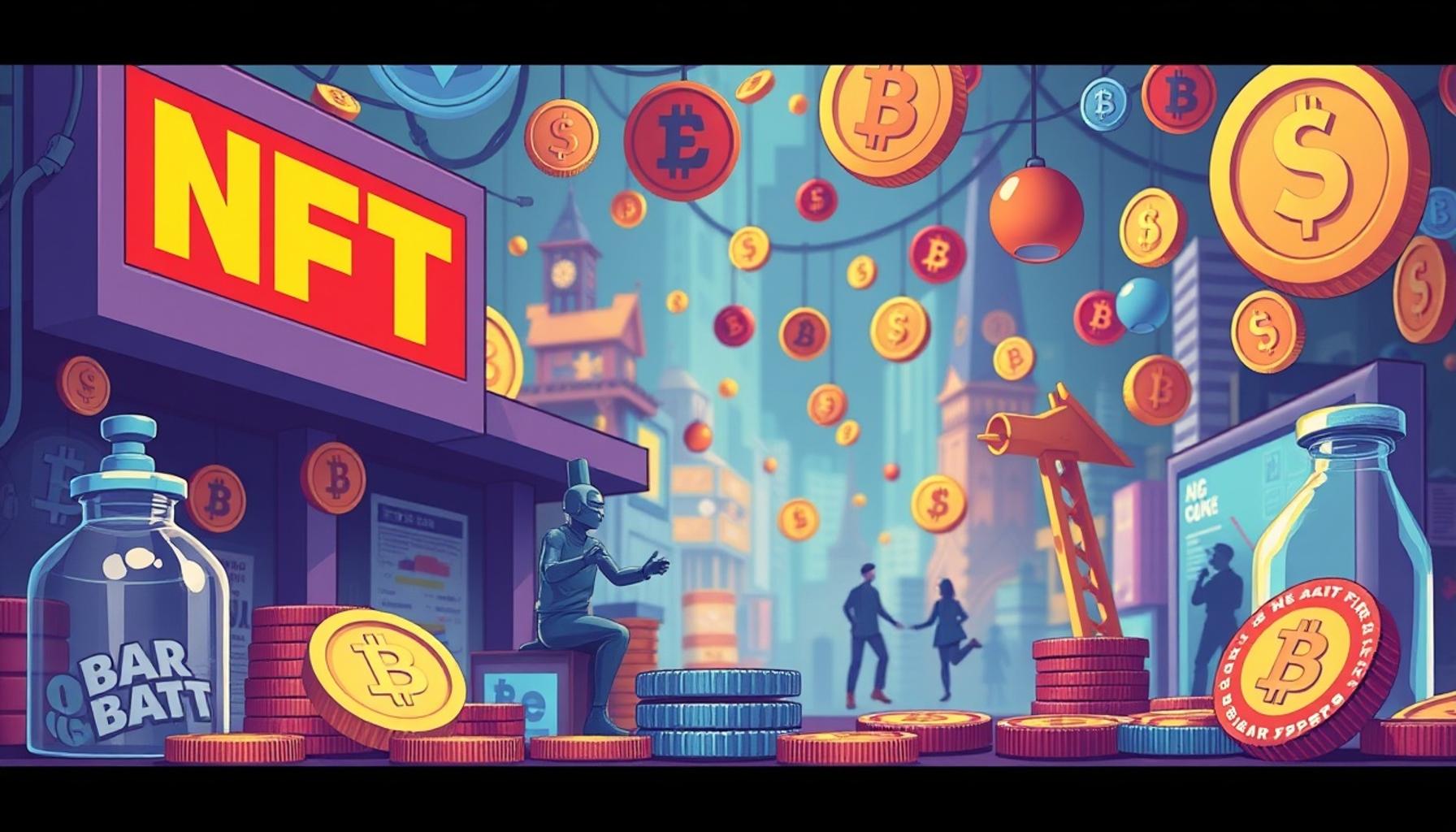
The emergence of Non-Fungible Tokens (NFTs) represents a groundbreaking evolution in how we understand ownership and value in the digital space. Unlike traditional cryptocurrencies such as Bitcoin or Ethereum, which are fungible and can be exchanged for one another, NFTs are unique digital tokens that signify ownership of a specific item or piece of content. This capability is crucial as it allows for the authentication and provenance of digital assets, an aspect highly valued in various artistic and entertainment sectors.
Encouraging Creativity
With NFTs, artists can create original works that hold intrinsic value in the marketplace. For example, digital artist Beeple sold a collage of his artwork as an NFT for an astounding $69 million at a Christie’s auction in March 2021. This event not only highlighted the potential value of digital art but also exemplified how NFTs can empower creators by providing a new revenue stream. Furthermore, platforms like OpenSea and Rarible have emerged, giving artists a space to showcase and sell their work without the need for traditional galleries, thus democratizing the art world.
Market Access
Through blockchain technology, NFTs allow creators to access a global audience. This democratization of art and media means that emerging artists or independent creators no longer have to rely on galleries, record labels, or distribution companies to reach potential buyers. Instead, they can directly market their work through online platforms, retaining a larger share of the profits. For example, a musician can mint their latest album as an NFT and sell it directly to fans, cutting out any intermediaries. This model fosters a closer relationship between creators and their audience, enhancing community engagement.
Direct Sales and Profit Retention
One of the most significant advantages of NFTs is that they allow artists to sell directly to their audience, leading to higher profit margins. Unlike traditional sales, where galleries or platforms take a cut, NFT transactions can be structured to provide artists with a more significant portion of the revenue. In many cases, artists also included royalties in their contracts, enabling them to earn a percentage each time their NFT is resold in the marketplace. This ongoing revenue model has the potential to provide artists with a more sustainable income over time.
The Broader Impact on Entertainment
The influence of NFTs extends well beyond visual art; the entertainment industry is also experiencing a transformation due to this technology. Many musicians are creating exclusive albums, merchandise, and concert tickets as NFTs, leading to a new way for fans to engage with their favorite artists. For instance, Kings of Leon released their album as an NFT, which included bonus content, concert experiences, and collectible art.
Filmmakers are similarly experimenting with NFTs, utilizing this technology for funding and distribution. By tokenizing parts of their films, directors can raise capital directly from fans, increasing interest and investment in their projects. Movies like “Killroy Was Here,” directed by Kevin Smith, have incorporated NFT sales as part of their marketing strategy, drawing significant attention and fostering fan involvement.
Moreover, in the gaming sector, NFTs are revolutionizing the way players interact with in-game assets. Traditionally, players purchase items that remain under the control of the game developers. However, with NFTs, players can truly own in-game items, trade them with others, and even resell them. Games like “Axie Infinity” allow players to buy, breed, and battle digital creatures, with the ownership of each creature verified by an NFT.
As we delve deeper into this NFT revolution, it’s evident that it is reshaping the creative landscape in profound ways. The future of digital ownership and creativity appears to be vibrant and innovative, with endless possibilities for artists and creators to explore.
DISCOVER MORE: Click here for insights
Empowering Artists and Creators
The rise of Non-Fungible Tokens (NFTs) has opened new doors for artists and creators across various fields, enabling them to harness the power of digital ownership in unprecedented ways. One of the most critical advantages of NFTs is that they empower creators by providing them with more control over their work and greater opportunities for monetization. Gone are the days when artists had to depend solely on traditional sales methods, which often involved complex contracts and a hefty share taken by intermediaries. With NFTs, creative individuals can now engage directly with their audience.
The Artist’s New Paradigm
Creatives from all walks of life are venturing into the NFT space. Not only does this technology make it easier for them to sell their art, but it also nurtures innovative forms of expression. Artists can experiment with various formats, such as animations, virtual reality experiences, or even interactive pieces, all while securely linking their identity to the digital tokens. As artists mint their work as NFTs, they benefit from a transparent marketplace, where buyers can feel confident in the authenticity and ownership of what they purchase.
Diverse Revenue Streams
Furthermore, NFTs are allowing artists to create diverse revenue streams. Here are a few significant ways they can monetize their work:
- Direct Sales: Artists sell their digital pieces as NFTs directly to consumers, minimizing the cut typically taken by galleries or dealers.
- Royalties on Resales: By embedding royalty clauses into the NFT smart contracts, artists can earn a percentage each time their work is sold in secondary markets.
- Exclusive Content: Artists can offer unique experiences or additional content, such as behind-the-scenes footage or limited editions of their work, enhancing the value proposition for fans.
This varied approach enables creators to build sustainable careers, as they can continually earn income not just from the initial sale, but from the ongoing appreciation of their work in the market.
Community and Collaboration
In addition to financial benefits, NFTs foster a sense of community and collaboration. Artists can connect with their fans in more meaningful ways by allowing them to own a part of their journey as a creator. This sense of ownership can deepen fan loyalty and engagement, as supporters feel more invested in the artist’s success. Collaborative projects are also blossoming in this new environment, wherein multiple creators team up to create unique NFTs, pooling their talents and fanbases.
For instance, the growing number of virtual galleries and exhibitions showcases how digital art can come together to form an experiential space for viewers. Additionally, projects like “Bored Ape Yacht Club” create exclusive clubs for NFT holders, emphasizing community ties and shared experiences.
As we continue to explore the exciting transformations triggered by NFTs, it’s evident that this technology is reshaping not only how art is bought and sold, but how it is created and appreciated. The accessibility and interactivity fostered by NFTs signal a promising shift toward a more inclusive and innovative landscape for artists and audiences alike.
DISCOVER MORE: Click here to learn how global connectivity is reshaping education
Transforming Ownership and Provenance
The advent of Non-Fungible Tokens (NFTs) introduces a revolutionary shift in the understanding of ownership and provenance in the art and entertainment sectors. Traditionally, verifying the authenticity and ownership of artwork or digital content has been a complicated process, often involving extensive documentation and expert verification. However, NFTs utilize blockchain technology to provide a permanent, tamper-proof record of ownership for each digital asset, simplifying this process dramatically.
The Blockchain Advantage
Blockchain, the underlying technology of NFTs, acts as a decentralized ledger that records all transactions transparently. This means that anyone can easily track the history of an NFT, including its creator, previous owners, and any sales transactions. For instance, when a digital painting is sold as an NFT, the buyer receives not only the artwork but also a clear provenance trail that proves their ownership. This transparency builds trust among buyers, eliminating the fears of forgery that often plague the art market.
Celebrity Influence and Mainstream Adoption
The influence of celebrities and prominent figures in the NFT space cannot be understated. High-profile auctions featuring NFTs sold for millions of dollars have amplified public interest and acceptance of this new medium. For example, digital artist Beeple made headlines when his NFT art piece sold for an astounding $69 million at Christie’s auction house. Such events signal to the broader public that NFTs can hold significant value and are not just a passing trend.
Moreover, mainstream brands and entertainment franchises are quickly finding their own avenues in the NFT market. Major companies such as Nike and NBA are leading the way in creating exclusive digital collectibles, such as virtual sneakers and “Moments” that capture pivotal on-court plays. This integration not only serves as a new revenue stream but also creates a deeper connection with fans, as they can own pieces of their favorite franchises in a digital format.
Challenges and Considerations
While NFTs bring exciting new possibilities, they also present challenges that artists and creators need to be aware of. One significant concern is the environmental impact associated with blockchain transactions. Many NFTs are minted on networks that consume large amounts of energy, raising questions about sustainability. Artists and collectors alike are increasingly searching for eco-friendly platforms that prioritize sustainability while engaging with NFTs.
Additionally, understanding the legal implications surrounding copyright and intellectual property is vital for creators entering the NFT space. While NFTs verify ownership of a digital asset, they do not necessarily grant the buyer rights to reproduce or monetize that content. Artists must clearly outline what rights are transferred upon purchase to avoid potential legal conflicts down the line.
- Environmental Impact: Artists should seek eco-conscious platforms to mitigate their environmental footprint.
- Legal Clarity: Establishing clear guidelines on ownership and reproduction rights is essential to safeguard creators.
As the NFT market continues to evolve, it brings both opportunities and challenges that require careful navigation. Educating oneself about the ecosystem will be crucial for artists and buyers to make informed decisions, ensuring they fully leverage the transformative power of NFTs in their creative pursuits.
DISCOVER MORE: Click here to learn about the future of cryptocurrency regulations
Conclusion
The rise of Non-Fungible Tokens (NFTs) marks a transformative chapter in the relationship between creators, collectors, and the mediums of art and entertainment. By harnessing the power of blockchain technology, NFTs provide an unprecedented level of transparency and trust, redefining how ownership and provenance are perceived in these fields. As artists can now secure their digital creations with authenticated proof of ownership, they effectively reclaim control over their work, which fosters a vibrant marketplace for creativity.
Moreover, the remarkable opportunities presented by NFTs have attracted widespread attention, with influential figures and major brands entering this space. The high-profile sales and collaborations not only validate the digital asset market but also encourage a broader audience to engage with digital art and collectibles. Enthusiasts and casual buyers alike find themselves drawn to the potential of owning a piece of culture, whether it be iconic moments from sports or unique digital artworks.
However, while the benefits are exciting, it is crucial to remain aware of the challenges that accompany this new frontier. The environmental concerns associated with blockchain technology and the legal complexities surrounding ownership rights call for thoughtful solutions and proactive measures. As the adoption of NFTs accelerates, both artists and buyers must prioritize education and responsible practices to ensure sustainable growth.
In conclusion, the NFT revolution is more than just a passing trend; it signifies a substantial evolution in how we understand and engage with art and entertainment. By navigating this landscape with awareness and integrity, participants can harness the transformative opportunities NFTs offer, paving the way for a future where creativity thrives in the digital realm.

Linda Carter
Linda Carter is a writer and expert known for producing clear, engaging, and easy-to-understand content. With solid experience guiding people in achieving their goals, she shares valuable insights and practical guidance. Her mission is to support readers in making informed choices and achieving significant progress.